
USPS starts ballot measures later, and gives no reason
Democracy Docket
USPS pushes back measures that ensure mail ballots arrive on timeRead it where it was published
“Pushes back” makes you brace for your ballot going missing. Reuters called the same memo “extra steps” and handed you calm instead: one set of dates, two feelings, and no signer or reason in either.
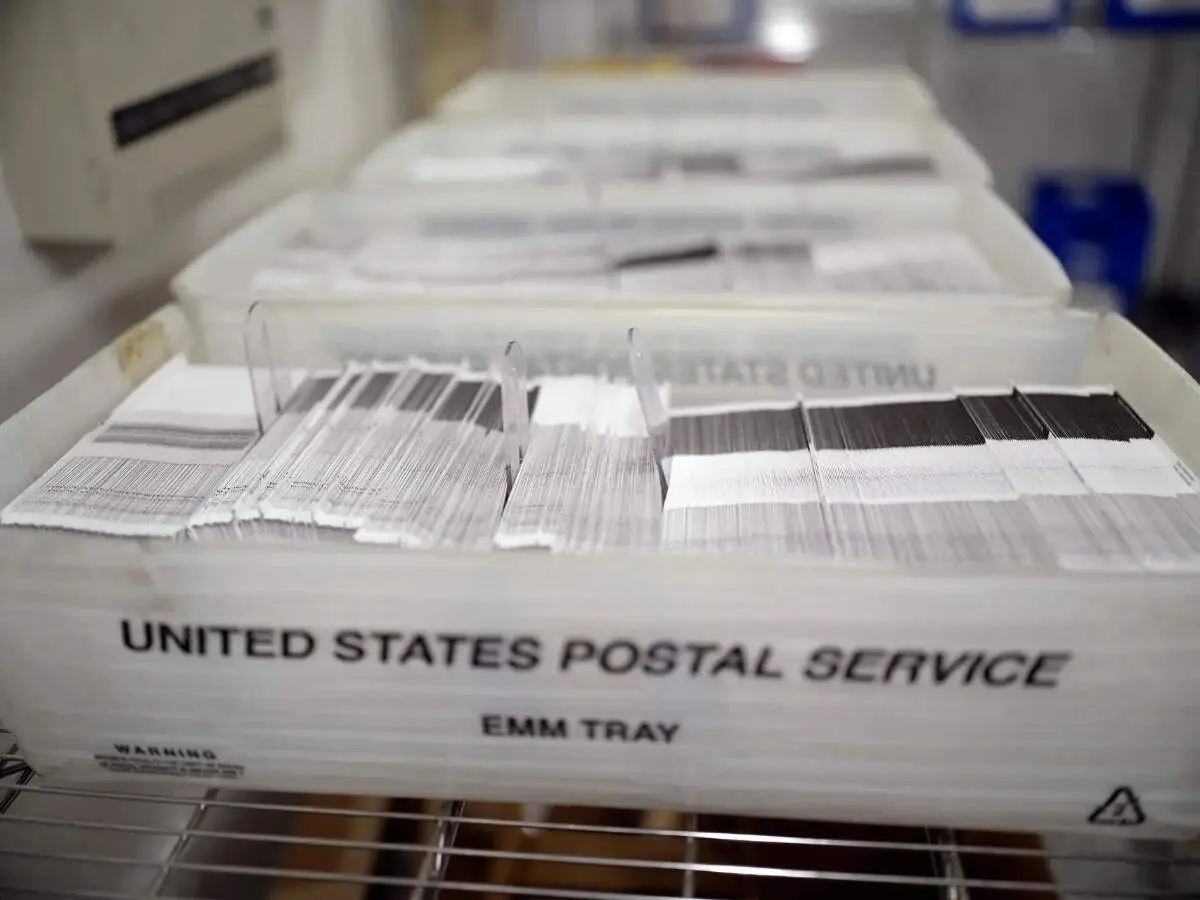
A USPS memo sent to all employees on September 30 starts the Postal Service’s election-mail “extraordinary measures” on October 24, 10 days before the November 3 midterms. In 2022 and 2024 they began 15 days out. The memo gives no reason.
What they said
On September 30, 2026, USPS told all employees that its election-mail extraordinary measures will start October 24, 10 days before the November 3 midterms.
Reuters (via SRN News)Oct 1, 2026
US Postal Service to take extra steps to ensure ballot deliveries
Read it where it was publishedDemocracy DocketUSPS memo to all employeesSep 30, 2026
“mandatory handling of return ballots”
Read it where it was publishedDemocracy DocketSteve Hutkins, Save the Post OfficeOct 2, 2026
“The shorter timeframe is noteworthy and I don’t know why they’re doing this”
Read it where it was publishedU.S. Postal ServiceU.S. Postal ServiceOct 28, 2024
“The extraordinary measures are designed to accelerate and enhance the delivery of Ballot Mail, when the Postal Service is able to identify the mailpiece as a ballot.”
Read it where it was publishedThe Daily SignalOct 2, 2026
250 Ballots in Amazon Package Prompts Maine GOP Leader’s Skepticism About Expanded Mail Voting
Read it where it was publishedThe New York TimesOct 2, 2026
Flurry of Lawsuits Shows Both Parties Preparing for Post-Election Challenges
Read it where it was published
“pushes back” The verb puts a loss in your head before you learn its size. It is accurate against 2022 and 2024, and silent about 2020, when the window was 8 days.
“extra steps” The same memo, read as a gift. Extra compared with ordinary mail, true. The word leaves out that the extra days are fewer than last time.
“mandatory” The firmest word anyone quotes from the memo, and it starts October 26, 8 days before the vote. The coverage does not say what the rule is on October 25.
“I don’t know why” The only voice on record about the reason is a critic who says he does not know it. The gap he names is the real headline.
“when the Postal Service is able to identify the mailpiece as a ballot” The help has a condition. A ballot gets the faster lane only if the system recognizes it as one, a condition no headline today repeats.
“250 Ballots in Amazon Package” A number and a brand make a picture you can see: a box of ballots where ballots should not be. A moved start date makes no picture at all.
The analysis
Two headlines, one memo, one day apart. Reuters on October 1: “extra steps.” Democracy Docket on October 2: “pushes back.” Both are true. The memo does add things: retail branches may extend hours from October 4, a “Ballot Postmark Only” line, carriers checking every delivery point from October 24. It also starts that work 10 days before Election Day, where 2022 and 2024 started 15 days out. Each headline picks one half and hands its reader one feeling, comfort or alarm.
What no headline carries is a name or a reason. The memo went to every employee, and the coverage quotes a handful of its words and names no one who signed it. Democracy Docket says it gives no reason and that USPS had not answered by publication. The 5 days missing against the last two elections run October 19 to 23. A ballot mailed in those days waits for the extra handling to begin.
The same Friday, October 2, the louder ballot stories were about suspicion. The Daily Signal led with 250 ballots in an Amazon package in Maine; The New York Times with a flurry of lawsuits aimed at after the vote. Both point the reader at fraud or a fight after November 3. The quiet change is about delivery before it. The research shows only that they shared a day. One story comes with a picture; the other is a date in a memo.
The history. In 2020, USPS ran the measures 8 days, October 26 to November 3. In 2022 and 2024, 15 days. This year’s 10 sits between, so “past elections” means the last two.
The irony. The 2022 memo also began on October 24. That year Election Day fell on November 8. This year it falls on November 3, and the start date stayed put.
The calendar
- Oct 26, 20202020 measures begin, 8 days before Election Day
- Oct 24, 20222022 measures begin, 15 days before November 8
- Oct 21, 20242024 measures begin, 15 days before November 5
- Sep 14, 2026Supreme Court declines to let USPS enforce ballot-list and barcode rule
- Sep 30, 2026Memo sent to all USPS employees
- Oct 2, 2026Maine Amazon package and lawsuit stories fill the same day
- Today31 days to Election Day
- Oct 4, 2026Retail branches may extend hours
- Oct 24, 2026Extraordinary measures begin, 10 days out
- Oct 26, 2026Mandatory handling of return ballots begins
- Nov 3, 2026Election Day
From the book
The Narrative Frame
One memo becomes “extra steps” for one audience and “pushes back” for another. The dates are identical; only the story wrapped around them decides whether the reader relaxes or braces.
Chapter 9, The Cognitive Cascades
Negative hallucination
The missing pieces are the story: no signer named, no reason given, no answer from USPS. The visible coverage of the day is about ballots in a box and lawsuits after the vote.
Chapter 17, The Shepherd of the Blind
Your move
- The Master Question: the same memo is sold to you as alarm or as comfort, depending on the headline that found you. Why now? 31 days out, every mail story reads as a sign. For fear, ask what it enables; for calm, what it conceals.
- Does it touch you? If you vote by mail, it does, and the decision is a date, not a feeling. USPS’s own advice is to mail at least a week before your office needs the ballot. If you do not, it is weather; watch it pass.
- Your nudge: which words pulled at you, “pushes back”, “extra steps” or “250 Ballots”? Say in the comments, and which belief about mail voting it pressed on. The same memo nudges two readers opposite ways; question your own side too.
Sources Democracy DocketReuters (via SRN News)Reuters (via inkl)U.S. Postal ServiceUSPS LinkThe Daily SignalThe New York Times