
The Daily Mail sells a diet that ‘reverses’ cancer risk
Daily Mail
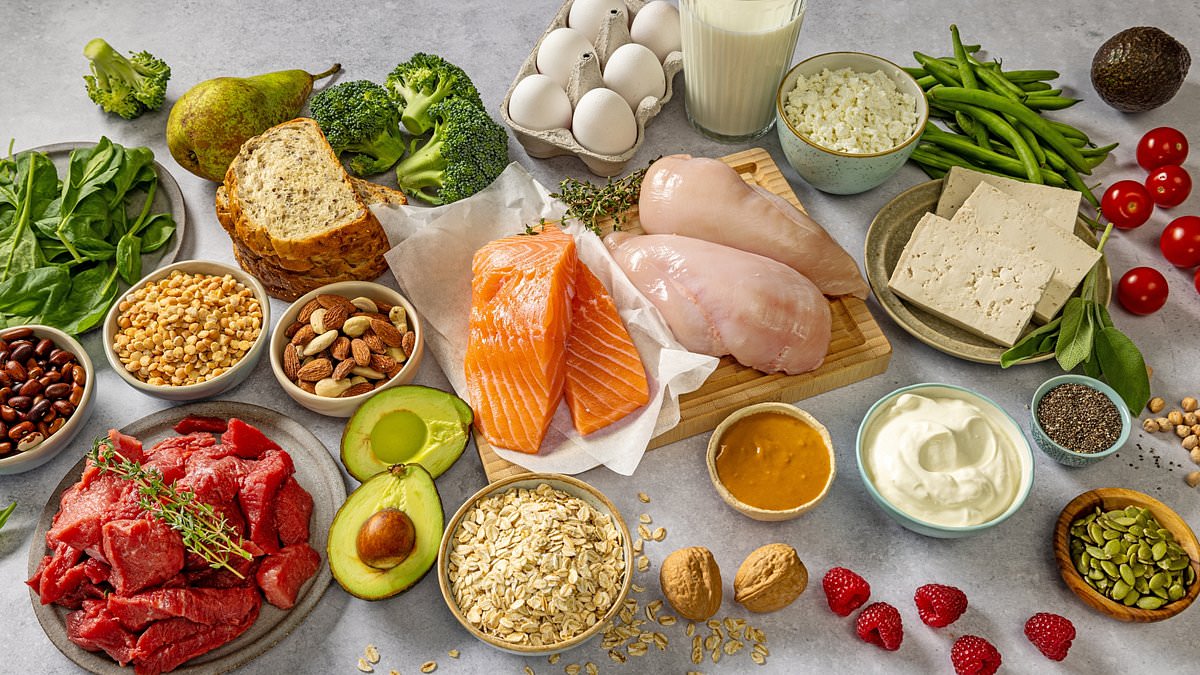
How you CAN eat to beat cancer. As deaths spike in young people, our conclusive expert guide: Superfoods that reverse risk... how often you can really have meat... a daily drink hack... and household favorites that are actually toxicRead it where it was published
A spike in young deaths, then a plate that reverses the risk: you feel the fear and the rescue in one breath. ‘Conclusive’ and ‘expert’ do the proving the page’s own studies never claim.
On October 27 the Daily Mail ran a diet guide in its series on cancer in Americans under 50 and called it “conclusive”. The page itself says diet plays a role in about one cancer in 20, and its studies show links, not reversals.
What they said
On October 27, 2026, the Daily Mail published a diet-and-cancer guide by Luke Andrews, quoting Harvard’s Dr Timothy Rebbeck, in its series on rising cancer in Americans under 50.
Daily MailDr Timothy Rebbeck, Harvard T.H. Chan School of Public HealthOct 27, 2026
“If you wanted to pick something that the evidence is pretty strong for that there's cancer prevention benefits, cruciferous vegetables are probably the one to focus on”
Read it where it was publishedDaily MailDr Timothy Rebbeck, Harvard T.H. Chan School of Public HealthOct 27, 2026
“I wouldn't ever hang my hat on one study and say, "Well, it's bad to be vegan" or "it's bad to be vegetarian"”
Read it where it was publishedDaily MailDr Timothy Rebbeck, Harvard T.H. Chan School of Public HealthOct 27, 2026
“Even if you've eaten poorly for decades, switching to a healthier diet will have an immediate impact”
Read it where it was publishedDaily MailOct 26, 2026
America's young cancer explosion laid bare: Major Daily Mail investigation reveals zip codes where under-50s are worst hit... why 4 specific cancers are rising fast... and what the world's top scientists believe is actually causing the crisis
Read it where it was publishedDaily MailOct 28, 2026
Colon cancer rates now surging in OLDER Americans for the first time in 20 years - after explosion in under-50s cases experts warn a worrying new trend is emerging across nearly ALL age groups
Read it where it was publishedDaily MailOct 28, 2026
As a doctor, even I thought my young niece's common childhood complaint would pass... it was terminal cancer. There are 4 often overlooked symptoms everyone under 50 must know: DR JANETTE NESHEIWAT
Read it where it was published
“deaths spike” The study the page cites counts rising diagnoses in 14 cancer types among younger people. Its only death figure, around 620,000 a year, covers all Americans. The fear word rests on neither.
“conclusive expert guide” ‘Conclusive’ appears only in the headline; the body says ‘associated with’ and ‘linked to’. The title does the proving: ‘expert’ and a Harvard name stand where a trial would.
“reverse risk” Risk is an odds figure for a crowd, not a disease in a body. The page’s own verb is ‘could reduce’. ‘Reverse’ turns lower odds into a promise of undoing.
“probably the one to focus on” The guide’s named expert hedges his strongest pick with ‘probably’. The page adds that the evidence in humans is less certain and that supplements have done less well.
“hang my hat on one study” The expert warns against resting on one study. The page’s 1.8-million-person analysis on vegans came with its researchers’ own caution: few colorectal cases among vegans.
“young cancer explosion” One day before the cure, the same series ran the fear. ‘Explosion’ opens the wound that ‘eat to beat cancer’ offers to close.
The analysis
Two words in the headline never appear below it. “Conclusive” and “reverse” stop at the top; the body says “associated with”, “linked to” and “could reduce”, the language of studies that follow large groups and compare odds, not of anything undone in a body. Before it names one food, the page says diet plays a role in around five percent of cancers, one case in 20. Its leading superfood comes with its own line: “the evidence in humans is less certain”.
The fear comes from a different number than the cure. “As deaths spike in young people” sets the stakes, but the study the page cites counts rising diagnoses in 14 cancer types among younger people, and its only death figure, around 620,000 a year, covers all Americans. The tell is that gap: the hottest word in a health headline that the story under it never backs. “Conclusive” does the rest as a big word no one argues with, since nobody wants an inconclusive guide.
The series runs both halves. On October 26 it called cancer in under-50s an “explosion”; on October 27 it offered the plate that beats it; on October 28 it ran “surging” rates in older Americans and a doctor’s niece with terminal cancer. The promise on sale is control over a disease the page itself says diet shapes in one case in 20. The milk, the fiber and the broccoli are real findings; the reversal belongs to the headline.
The words. ‘A daily drink hack’ is a glass of milk. The page’s own study tied an extra 300mg of calcium a day to a 17 percent lower colorectal cancer risk, and credits the calcium, not the milk.
The timing. The scare and the cure run in the same series, one day apart: ‘explosion’ on October 26, ‘eat to beat cancer’ on October 27, ‘surging’ and ‘terminal cancer’ on October 28.
The calendar
From the book
Installing Cravings That Never Sleep
The series finds the bleeding with ‘explosion’, salts it with ‘deaths spike’, paints the promised land with ‘reverse risk’, and offers ‘our conclusive expert guide’ as the bridge.
Chapter 7, The Strings of the Heart
The Authority Override
‘Expert’ and a Harvard name carry the word ‘conclusive’, while the expert’s own quotes say ‘probably’ and warn against trusting one study.
Chapter 9, The Cognitive Cascades
Your move
- The Master Question: fear first, then relief: deaths spiking, then a plate that reverses them, a day after the same series ran ‘explosion’. What does your fear enable? Faith in a cure the page itself sizes at one cancer in 20.
- Does it touch you? If you are deciding what to eat this week, the plain version is small: fiber, vegetables and calcium are linked to lower risk, none conclusively. That is a plan, not a rescue. If not, it is weather.
- Your nudge: name the word that pulled you, ‘deaths’, ‘conclusive’ or ‘toxic’, and the belief it pressed on: that cancer is something you can control, or that it never is. Question the one you hold.
Sources Daily Mail234