
Free twice a week, paid in attention
Mother JonesMother Jones (launch copy)
“Worriers of all stripes (doomscrollers, political junkies, fuel tank fillers), we get it.”Read it where it was published
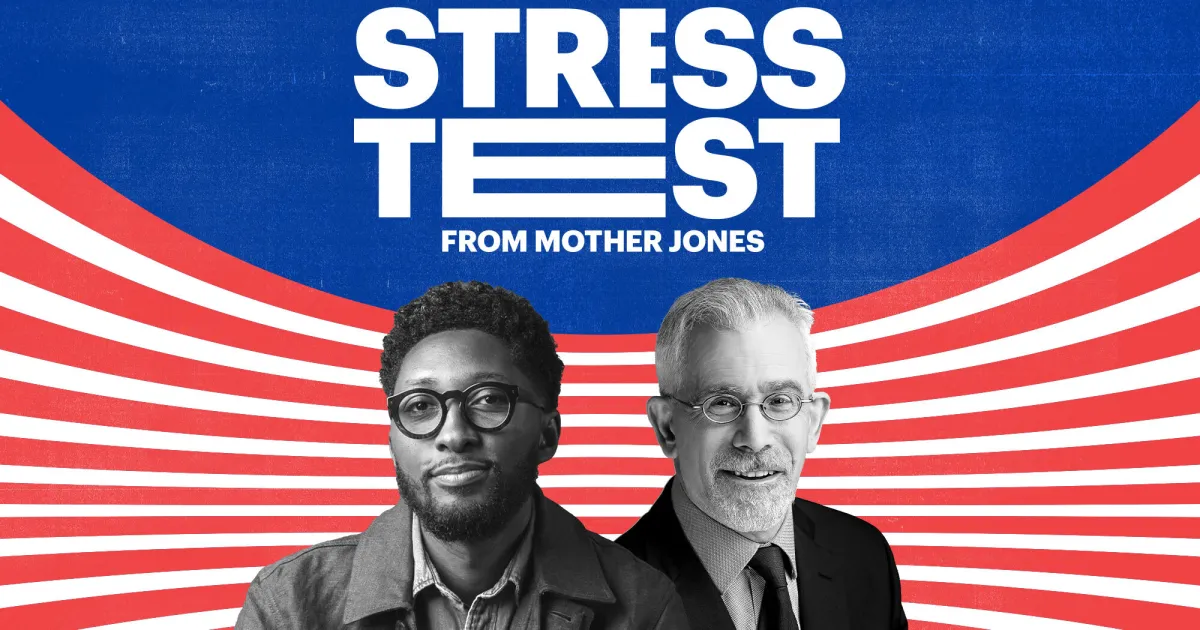
Being named a worrier feels like being seen, and “we get it” turns the outlet into company. The flag stripes and calm faces sell a handle on the next 31 days, paid for with your return visits.
Mother Jones launched a free twice-weekly midterms show for “Worriers of all stripes”. The product is the worry and the relief, together.
What they said
“Worriers of all stripes” The reader is named by a feeling before any fact. The audience is defined as people who worry, which is the condition the product exists to serve.
“doomscrollers” A habit becomes a membership card. The reader recognizes the scroll, and the show arrives as the cure for a feed, delivered on a feed.
“fuel tank fillers” The only item in the line that names a household bill. It widens the tent past politics, with no number attached.
“we get it” Sympathy comes first, then the ask. The same page asks for a YouTube subscription, a newsletter sign-up, a magazine sign-up and a donation.
The analysis
The ask costs nothing in dollars. “Stress Test” is free, with “twice-weekly pop-up episodes” on YouTube and in audio on podcast platforms. What it takes is a slot in the reader’s week: at 2 episodes a week, about 9 before November 3. The page also carries the outlet’s standard nonprofit donation appeals and newsletter and magazine sign-ups. Attention is the currency; money is optional.
The line names the worry, then offers company through it. The headline does the same in two sentences: “The Midterms Will Test Democracy. We’ll Help You Through It.” The host supplies the stakes: “perhaps one of the biggest stress tests that American democracy has ever been through”. Fear and comfort arrive in one package, and a reader who takes both has a reason to come back for the next episode.
None of this says the worry is false. Corn’s “perhaps” is a hedge, and a concern can be sincere and accurate. The trade is the point: outlets on every side keep audiences by naming an anxiety and scheduling the relief. The same knife fits each of them.
The irony. The dek promises help with what to tune out. Two new episodes a week did not make that list.
From the book
Drive Five: The Control Order (Certainty/Autonomy)
The launch names an uncertain stretch, a test of democracy, and offers a guide to “what to watch, what to tune out”. The product on sale is the feeling of a handle on 32 uncertain days.
Chapter 7, The Strings of the Heart
The three laws of attention (Capturing Hearts in A Fish Bowl)
The question the show raises, whether democracy passes the test, cannot close until November 3. Twice-weekly episodes keep the loop open and reward each return with reassurance.
Chapter 15, The Gold Mine
Your move
- The Master Question: you are being made to feel worry, then relief, in the same breath. Why now? 32 days remain before November 3, and each episode resolves nothing until then. What does your worry enable, and who gets your attention while it lasts?
- Does it touch you? If the midterms change a plan you have this week, a vote, a deadline, a bill, that is a plan to make once. The rest is weather: watch it without bleeding or feeding, twice a week or never.
- Your nudge: did “doomscrollers” or “Worriers of all stripes” pull at you? Say in the comments which word, and which belief about democracy it pressed on. The same worry sells to opposite camps; question your side’s comfort too.
Sources Mother Jones