
GB News files babies’ surnames under ‘Migrant crisis’
GB News
Migrant crisis: Fears traditional British surnames will die out as Khan, Ahmed and Ali enter top 10 in England and WalesRead it where it was published
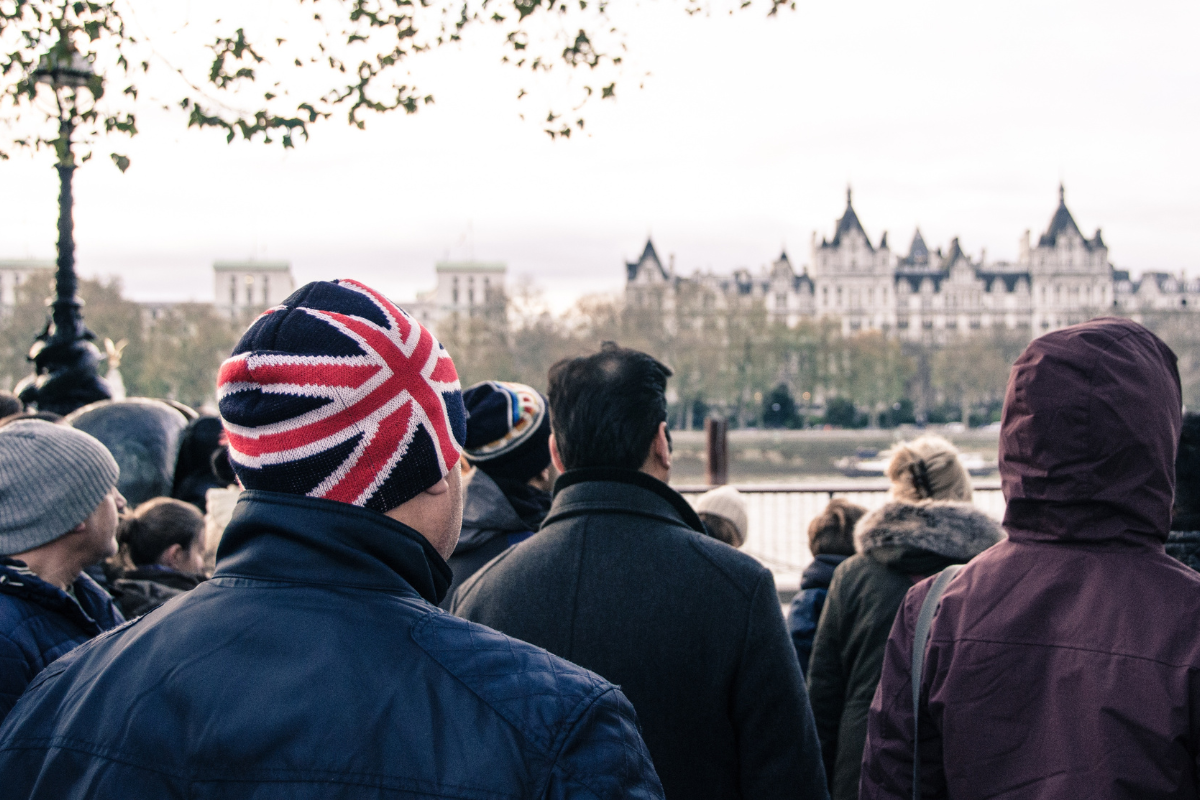
‘Die out’ and ‘Migrant crisis’ turn a list of newborns into a border alarm, and the flag hat makes it about who belongs. You feel a loss while the register holds more surnames than in 1996.
On October 14, outlets reported ONS figures on the surnames of babies registered in England and Wales from 1996 to 2025. Smith still leads, and Khan, Ahmed and Ali are now in the top 10.
What they said
On October 14, 2026, outlets reported ONS figures showing Smith is still the most common surname among babies registered in England and Wales, with Khan, Ahmed and Ali now in the top 10.
International Business Times UKOct 14, 2026
'Rapid Demographic Change': British Surnames Lose Ground as Khan, Ahmed and Ali Rise in Baby Rankings
Read it where it was publishedInternational Business Times UKRob Bates, Centre for Migration ControlOct 14, 2026
“rapid demographic change”
Read it where it was publishedProPakistaniOct 14, 2026
4 Muslim Names Rank in Top 10 Most Famous Names in UK
Read it where it was published
“Migrant crisis” The label files the story before it starts. The data counts babies registered in England and Wales and records no nationality, yet a newborn named Khan lands under a crisis.
“Fears” Fear with no owner. No name and no office says who fears this, so the alarm arrives in the headline without anyone signing it.
“die out” An extinction word for a list where Smith still leads with 4,102 babies and the count of different surnames rose from about 21,600 to more than 23,400.
“'Rapid Demographic Change'” The headline’s first words are Rob Bates’s, of the Centre for Migration Control. The same page later says the figures do not mean traditional surnames are disappearing.
“Muslim Names” The dataset records no religion. The headline hands four surnames a faith, and the same label that reads as threat in one feed reads as a tally in another.
“Most Famous Names in UK” The figures are surnames of babies registered in England and Wales: not the UK, and not fame. Scotland and Northern Ireland sit outside the count.
The analysis
Read GB News’s sentence as a sentence. Its subject is surnames, its verb is “die out”, and no person does anything. No one is named as the one who fears. The label before the colon, “Migrant crisis”, turns a birth register into a border story. A plain sentence from the same facts: Smith is still the most common surname among babies registered in England and Wales, and Khan, Ahmed and Ali joined the top 10, where Taylor, Brown and Johnson stood in 1996.
What the headline leaves out: every child counted was registered in England or Wales, and the data records neither religion nor nationality. More than 23,400 different surnames appeared in 2025, against about 21,600 in 1996, while names given to at least 1,000 babies fell from 57 to 23. Smith fell from 7,276 to 4,102 and Jones by 43%. That loss is real; it is a spread, not an extinction. The tell is a top 10 read as a replacement: ten ranks say nothing about the other 23,000 names.
The other outlets tell the same list three ways. IBTimes UK opens with a campaigner’s phrase in quote marks, then its own page says traditional surnames are not disappearing. ProPakistani makes the mirror move from the other side: “4 Muslim Names”, a faith given to surnames in a dataset that records none. The habit all three ride is the other group’s names standing for one body moving in one direction. The device in GB News’s line is the fear with no owner: “Fears” carries an alarm nobody signs.
The words. “Traditional British surnames” sets Khan, Ahmed and Ali against British, though every baby counted was registered in England or Wales. The adjective decides who belongs before any fact arrives.
The irony. The headline mourns surnames dying out in the year England and Wales recorded about 1,800 more different surnames among newborns than in 1996.
From the book
The Narrative Frame
One ONS list becomes a crisis at GB News, a lost contest at IBTimes UK and a faith’s tally at ProPakistani. The numbers do not change; the story wrapped around them picks the reader’s reaction.
Chapter 9, The Cognitive Cascades
The six stages of villainization (From Humans To Monsters)
Surnames serve as Identification of a group, and “Migrant crisis” with “die out” moves straight to Threat Assessment. The threat named is babies’ names, and no person in the headline has done anything.
Chapter 10, The Enemy's Gift
Your move
- The Master Question: this headline is built to make you feel loss, a country fading one name at a time. Why now? A birth register lands as a border alarm. For fear, ask the book’s question: what does my fear of a list of babies’ names enable?
- Does it touch you? If no decision of yours this week depends on which surnames newborns carry, it is weather. Watch it pass the way the marble statue watches a storm, without carrying it into your evening or performing it for anyone.
- Your nudge: name to yourself which word pulled harder, “crisis”, “die out” or “Muslim”, and which belief of yours it pressed on. A reader who felt pride at the same list was pulled by the same move. Question that side too.