
GB News calls 11% lower cash withdrawals a ‘scramble’
GB News
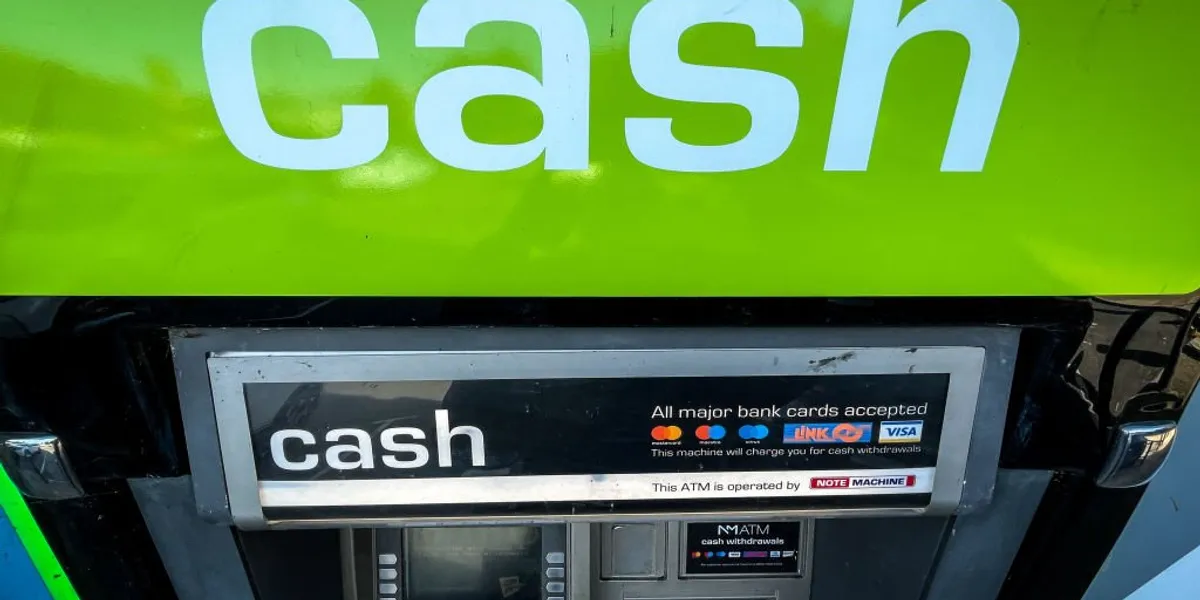
Britons scramble to withdraw cash from ATMs after Labour issues ominous 'Be Ready' emergency guidanceRead it where it was published
One verb puts you in a rush the figures do not show: Saturday’s cash total fell 11%. ‘Britons’ makes the crowd the proof, and the fear of being the last without cash does the rest.
The UK government’s Be Ready campaign asks households to keep three days of supplies. GB News called weekend ATM withdrawals a “scramble”; its fifth paragraph says Saturday’s total of £204million was 11% lower than a year before.
What they said
In the week before October 27, 2026, the UK government launched its Be Ready campaign, and Link figures for the following weekend showed record average ATM withdrawals while total Saturday withdrawals were 11% lower than on the same day in 2025.
GB NewsGraham Mott, director of strategy, Link
“seems likely that at least some people chose to take the Government's advice and take out some extra cash to be ready for some sort of emergency”
Read it where it was publishedGB NewsWes Streeting, Defence Secretary
“alert but not alarmed”
Read it where it was publishedBBC NewsOct 27, 2026
Sharp rise in sales of some essential goods after government call to stock up
Read it where it was publishedBBC News UKOct 27, 2026
Sharp rise in sales of essential goods after government call to stock up
Read it where it was publishedThe TelegraphOct 26, 2026
Water and baked beans sell out after public told to stockpile food
Read it where it was publishedSpikedOct 26, 2026
This prepper campaign is blaming the public for the elite’s failures
Read it where it was published
“scramble” A panic verb for a rise of about £5 in the average withdrawal. GB News’s fifth paragraph says Saturday’s total, £204million, was 11% lower than a year before.
“ominous” The verdict comes from the headline alone. No official quoted uses it; the Defence Secretary asked the public to be ‘alert but not alarmed’.
“at least some people” The only source tying the cash to the guidance hedges twice, with ‘seems likely’ and this. The headline turns his ‘some’ into ‘Britons’.
“some” One BBC feed keeps ‘some’; the same story in another feed drops it. One word decides whether the rise is in a few goods or in all of them.
“sell out” Two products, no shop, no count. The phrase delivers scarcity, the feeling that makes the next shopper grab before thinking.
“the elite’s failures” The mirror move: the public as victim and ‘the elite’ as one body to blame, with no one named. The same fear, aimed the other way.
The analysis
‘Scramble’ is a verb of panic: queues, elbows, a run on the banks. The figure behind it runs the other way. GB News’s own fifth paragraph says Saturday withdrawals totalled £204million, 11% lower than the same day in 2025, and Link put that down to stormy weather. The record is for the average withdrawal: about £95, against about £90 the week before. A plain sentence would say people took out a little more each time and less in all. The loaded verb turns £5 into a stampede.
‘Britons’ does the other half. One word makes a nation the actor, so the reader sees a crowd already moving and checks whether they are behind it: the crowd stands in as the proof that everyone is doing it. The only voice tying the cash to the guidance, Link’s Graham Mott, says ‘seems likely’ and ‘at least some people’. Cash is not on the checklist GB News describes. ‘Ominous’ belongs to the headline alone. The tell is a threat word with no number standing next to it.
The other outlets run softer versions. The BBC’s ‘Sharp rise’ keeps ‘some’ in one feed and drops it in another. The Telegraph’s ‘sell out’ names two products and no shop or count. Spiked turns the fear around: the public as victim, ‘the elite’ as one body to blame. Each frame picks a feeling: panic, scarcity, resentment. A run on the banks is a story readers pass on; a £5 rise in the average is not, and the campaign’s own ask, three days of water and tinned food, drops out of view.
The timing. The campaign came out during a global cybersecurity crisis over a PHP flaw; 32 government services went offline on the Thursday, four more partly. That is the concrete risk. The headline names neither.
The irony. The checklist, as GB News describes it, asks for nine litres of water, tinned food and a torch. Cash is not on it. The headline’s scramble is for the one item missing.
From the book
The Consensus Mirage
‘Britons scramble’ hands the reader a crowd already in motion. The one source behind it says only ‘at least some people’, and the total withdrawn fell 11%.
Chapter 9, The Cognitive Cascades
Loaded Language: Emotive Framing
‘Scramble’ and ‘ominous’ do the arguing: one verb and one adjective set panic before the figures arrive, and neither appears in the data or in any official’s quoted words.
Chapter 23, Linguistic Hacks
Your move
- The Master Question: this headline is built to make you feel urgency, the fear of being the last without cash. Why now? The guidance is days old and still argued over. Ask what your fear would enable: a rush the totals never showed.
- Does it touch you? If the guidance changes what you keep at home this week, make it a plan: a list and a budget. If not, the ‘scramble’ is weather; watch it pass without bleeding or feeding.
- Your nudge: name which word pulled hardest, ‘scramble’, ‘ominous’ or ‘the elite’, and which belief it pressed on, about Labour, the BBC or crowds. The same headline that frightens one reader confirms another’s contempt. Question your own side’s frame too.