
Gateway Pundit holds 17 days against a rape report
The Gateway Pundit
Hmmm… Democrat Congressional Candidate Claims She Was Raped at 2AM While Fixing a Campaign Sign in a Parking Lot and Was Called a “Democratic B*tch” — Then Waited 17 Days to Report the Alleged AssaultRead it where it was published
One sound, “Hmmm…”, and one number, 17, and you are judging her before anyone has named the man she says did it. Suspicion feels like sharpness; here it lands on the woman who filed the report.
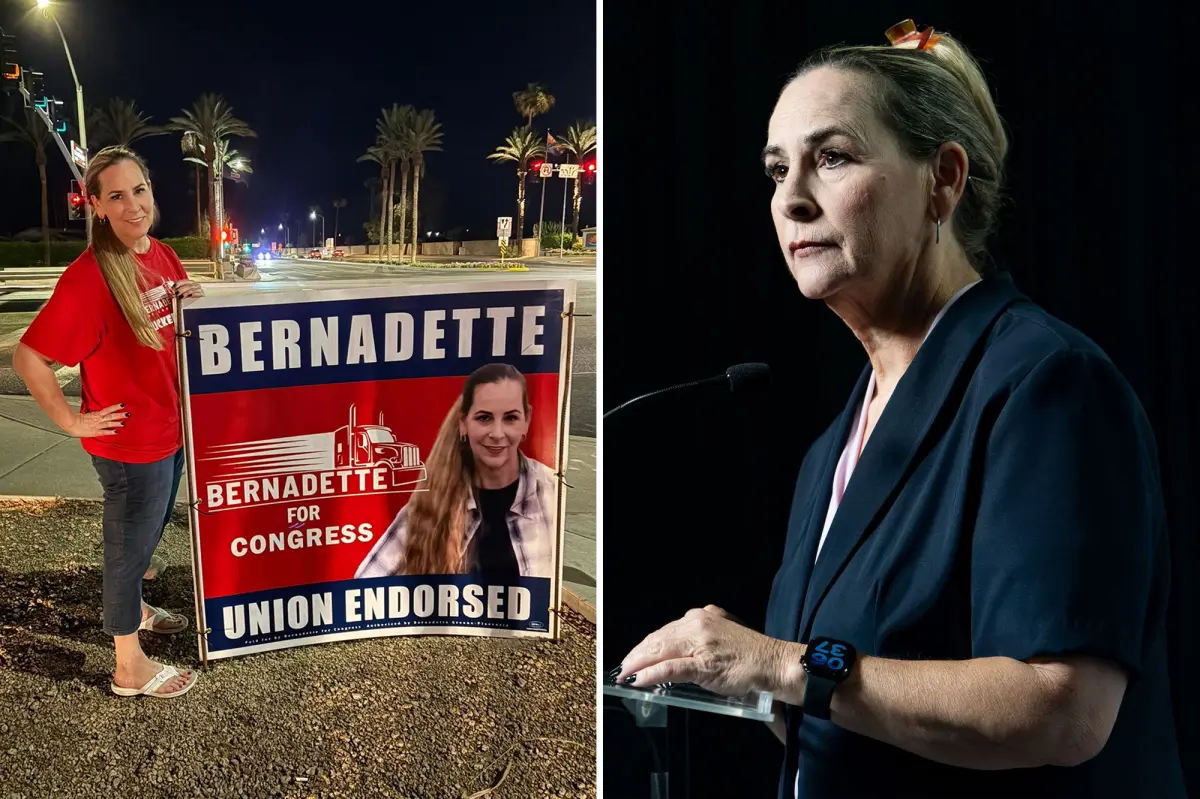
Bernadette Greene-Placentia, the Democrat running in Arizona’s 8th District, says she was raped around 2 a.m. on August 14 while fixing a campaign sign. The sheriff’s office confirms her August 31 report and says the investigation is ongoing.
What they said
On October 7, Bernadette Greene-Placentia told the Phoenix New Times she was raped around 2 a.m. on August 14 in Sun City; the Maricopa County Sheriff’s Office confirmed she filed a report on August 31.
The Daily CallerOct 7, 2026
Congressional Candidate Says She Was Raped While Repairing Her Campaign Signs
Read it where it was publishedNew York PostOct 8, 2026
Arizona congressional candidate alleges she was raped while fixing campaign sign: ‘I just wanted to forget it’
Read it where it was publishedThe Gateway PunditJim Hoft, founder and editor of The Gateway PunditOct 8, 2026
“Greene-Placentia waited 17 days to report the alleged brutal crime to police. She says she told her husband about the alleged attack three days later.”
The article’s seventh paragraph
Read it where it was publishedThe Daily CallerBernadette Greene-PlacentiaOct 7, 2026
“It’s just these little tiny flashes of things that I do remember,” Greene-Placentia told the Phoenix New Times. “As much as I don’t want to remember, I’ve tried very, very hard to remember more stuff. But that’s where I’m at.”
Her interview with the Phoenix New Times, as quoted by The Daily Caller
Read it where it was published
“Hmmm…” A sound, not a word, and it arrives before any fact. You are told to doubt before you know what you are doubting, and nothing later in the sentence has to earn it.
“Claims” The Daily Caller writes “Says”, the Post “alleges”. “Claims” carries a shrug. Every verb in this headline belongs to her; the man who attacked her, by her account, has none.
“Then Waited 17 Days” A number with no base: no figure for how long such reports usually take. The page’s own timeline says she told her campaign staff on August 16, two days after.
“‘I just wanted to forget it’” Her own reason for the gap, in her own words, inside the headline. The same dates, with her standing in them instead of under suspicion.
“three days later” The Daily Caller says she told her husband the next day. The page’s own timeline says she told her campaign on August 16. The gap shifts with each telling.
“little tiny flashes” She describes memory in fragments. The headline puts a precise insult in quotation marks; the page’s own timeline says she “was not sure of the exact words.”
The analysis
Read the specimen as a sentence and count the verbs. She claims, she is fixing, she is called, she waited. The rape is passive, “Was Raped”, with no one doing it, though TMZ describes a man and then a second man, and no page reports an arrest. The only person in the headline who acts is the woman who filed the report, and each act is set up as a reason to doubt her. The harmed party becomes the one under investigation.
The page says more than its headline. Its fourth paragraph confirms the sheriff’s office has her August 31 report. The timeline it quotes, credited to Grok, an AI chatbot, says she told her campaign manager and communications director on August 16. The Daily Caller says she told her husband the next day and felt “embarrassed.” The headline keeps only the 17. The tell to carry: a number with nothing to compare it to is a verdict dressed as a fact.
The vote is 26 days away. She is running against Republican Rep. Abe Hamadeh, whose campaign called on authorities to investigate. A reader who finishes the headline believing the account is a ploy carries that doubt to November 3. The words cannot show why they were chosen; they show who pays when they work, and here it is the woman who reported a rape, while the men she describes stay unnamed and outside the sentence.
The timing. Her account went public October 7. The specimen ran October 8 at 9:00 AM ET, 26 days before the November 3 vote. The sheriff’s investigation is ongoing, with no reported end date.
The money. The page under the headline asks readers to donate to the site and sells ad-free memberships. The doubt and the ask sit on the same page.
The calendar
- Aug 14, 2026She says she was raped around 2 a.m. in Sun City
- Aug 16, 2026Tells campaign manager and communications director, per the Gateway Pundit’s timeline
- Aug 31, 2026Report filed with Maricopa County Sheriff’s Office
- Oct 7, 2026Her account published
- TodayGateway Pundit headline: “Then Waited 17 Days”
- Nov 3, 2026Midterm election
From the book
The Narrative Frame
Five outlets carry the same facts: a sign, 2 a.m., a report on August 31. Wrapped in “Hmmm…” and “Then Waited”, the same 17 days the Post explains in her words becomes the case against her.
Chapter 9, The Cognitive Cascades
Loaded Language: Emotive Framing
“Claims” where others write “Says” or “alleges”, and a sound of doubt before the first word, judge the account without making a single argument about it.
Chapter 23, Linguistic Hacks
Your move
- The Master Question: you are being made to feel suspicion, 26 days before a vote. What does your suspicion enable? It lets a rape report be judged as a campaign move. Real facts are boring: a date, a report, an open case.
- Does it touch you? If you vote in Arizona’s 8th District, you decide this race by November 3, and that is a choice about candidates, not a feeling. If not, it is weather: watch it pass without bleeding it into your evening or feeding it to anyone.
- Your nudge: name the word that moved you first, “Hmmm…”, “Claims” or “17 Days”, and the belief it pressed, about women, Democrats or how a victim should act. The same words push two readers opposite ways; question your own side too.