
Fox spreads one lab’s fungus count across America
Fox News
Brain-infecting fungus that can kill 7 in 10 patients is on the rise across AmericaRead it where it was published
Two numbers and an organ: you feel your own brain at risk before you see the count. Fourteen detections at one lab in 2025 and a death rate from another study become a national threat.
On October 16, Fox News headlined a deadly brain fungus rising across America. Its source is a CDC note on one University of Washington laboratory: 49 cases in 17 years, 14 of them in 2025.
What they said
On October 16, 2026, Fox News reported a CDC note, published October 2, that counted 48 confirmed and 1 probable Cladophialophora bantiana detections at one University of Washington laboratory from January 2009 to July 2026.
CDC, Morbidity and Mortality Weekly Report
Notes from the Field: Molecular Detections of Cladophialophora bantiana at a Clinical Reference Laboratory — United States, 2009–2026
The primary source’s own title, as listed on the MMWR index page.
Read it where it was publishedFox NewsCDC MMWR report, as quoted by Fox NewsOct 16, 2026
“Reasons for the apparent increase are unknown”
Read it where it was publishedAI at MetaRay Chen (author), abstract of a Meta AI research publication
“Among the seven brain infection patients, only two died.”
Read it where it was publishedAI at Meta
Cladophialophora bantiana: a US clinical case series assisted by artificial intelligence
Read it where it was published
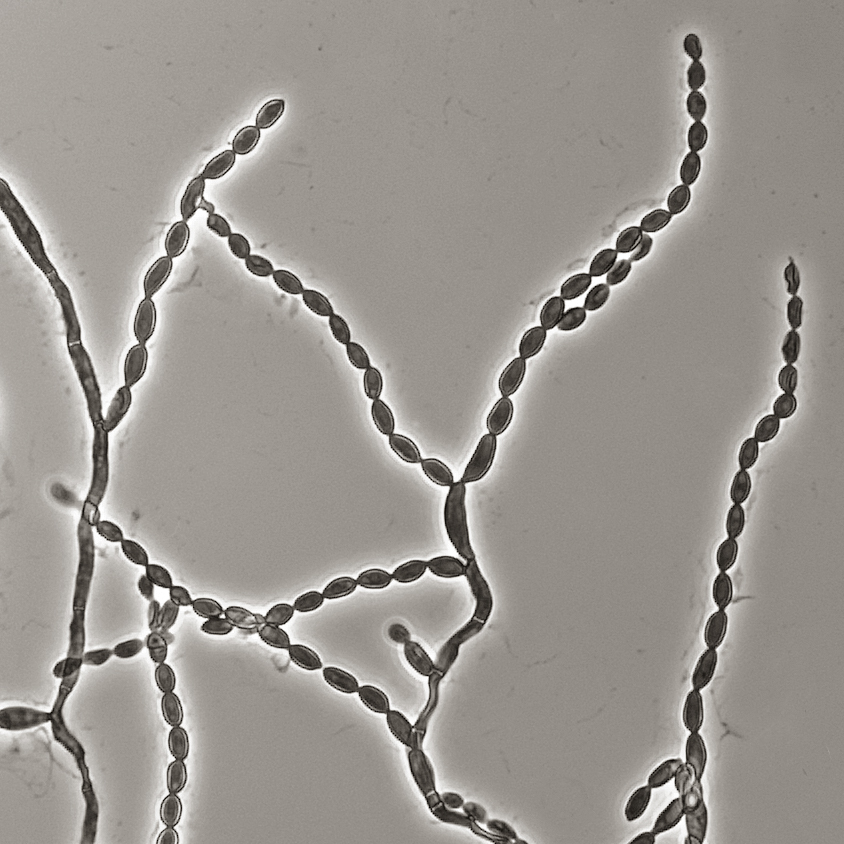
“Brain-infecting” The headline opens on the organ you fear for most and never gives the fungus its name, Cladophialophora bantiana. An organ you own frightens more than a word you cannot pronounce.
“can kill 7 in 10 patients” Not from the CDC report. Fox’s eighth paragraph credits a ‘60% to 70% fatality rate’ to a Medical Mycology review, and the headline takes the top of that range.
“across America” 49 cases in 17 years, in tissue from 21 states and the District of Columbia, all detected at one laboratory. Where the samples came from becomes a national spread.
“at a Clinical Reference Laboratory” The CDC’s own title draws the line the headline drops: one laboratory’s detections, not national case surveillance. The report calls for national reporting to track the fungus.
“apparent” The CDC hedges its own rise and says it does not know the reasons. Fox carries that sentence lower down; its headline keeps the rise and drops the hedge.
“only two died” Meta’s count from a 4.95-million-patient database: 7 brain infections, 2 deaths. A different base gives a different death rate. The page credits the work to Meta’s own ‘Meta Muse AI’ platform.
The analysis
Two numbers, no base. “7 in 10” reads as the odds for anyone who meets the fungus, and “on the rise across America” reads as a wave. Fox’s own page carries the counts, first in its ninth paragraph: 48 confirmed and 1 probable case from January 2009 to July 2026, one to five a year until 2023, then 8 in 2024 and 14 in 2025. All were detected at one University of Washington laboratory, in tissue from 21 states and the District of Columbia.
The rise survives a check for testing volume: 8.4 detections per 1,000 brain-tissue specimens tested for fungi in 2017 to 2023, 26 per 1,000 in 2025. The death rate comes from a Medical Mycology review, not the CDC, and Meta’s separate count found 2 deaths among 7 brain infections. The device is the naked number, a figure with no period and no source beside it, and it rides a plain habit: a number that arrives with nothing to compare it with takes the size of your fear.
The tell is a death rate and a trend fused in one sentence, with no count of how many people either covers. The page adds a woman with eyes shut and a hand pressed to her forehead, and a top video about Naegleria fowleri, a different organism. The CDC itself says the reasons for the apparent increase are unknown. A reader who will almost certainly never meet this mold is handed the fear anyway, and fear holds attention longer than a count of 14.
The words. The page’s image alt text tries a third version: ‘Rare brain fungus with 70% fatality rate rising in healthy patients.’ The range has become one number, and ‘rare’ never reaches the headline.
The money. Meta’s page on the same fungus counts 21 patients in a 4.95-million-patient database and credits the analysis to its ‘Meta Muse AI’ platform. A rare disease can also carry a product’s name.
From the book
The Vividness Virus
Chapter 9, The Cognitive Cascades: the Vividness Virus. A brain under attack and a pained face outweigh the count Fox itself prints in its ninth paragraph: 14 detections in 2025, at one laboratory.
Chapter 9, The Cognitive Cascades
The Gravity Anchor
Chapter 9, The Cognitive Cascades: the Gravity Anchor. The top of a 60% to 70% range goes first, so every later figure, from the per-1,000 rate to Meta’s 2 deaths among 7, is read against 7 in 10.
Chapter 9, The Cognitive Cascades
Your move
- The Master Question: this is built to make you feel fear, for your own brain and for the people you love. Why now? A CDC note from October 2 became a national rise on October 16. Ask what your fear enables. Feel it on purpose, or not at all.
- Does it touch you? Unless a doctor is treating you or someone close to you for a brain infection, it changes nothing you will do this week. It is weather: watch it pass without carrying a death rate into your evening, or performing it at dinner.
- Your nudge: name the word that caught you first, ‘Brain-infecting’, ‘kill’ or ‘across America’, and the belief it pressed on: that the body is fragile, or that the news always inflates. The same line pulls a worrier and a skeptic opposite ways. Question both.
Sources Fox NewsCDC, Morbidity and Mortality Weekly ReportAI at Meta