
Fox brings Europe’s fridge hacks home as ‘warfare’
Fox News
Grocery store cyberattacks are ‘psychological warfare’ that could strike US, former FBI agent warnsRead it where it was published
An empty fridge, a badge and the word warfare: you feel the attack reach your own aisle before learning no one knows who did it. Fear with no task attached keeps you reading.
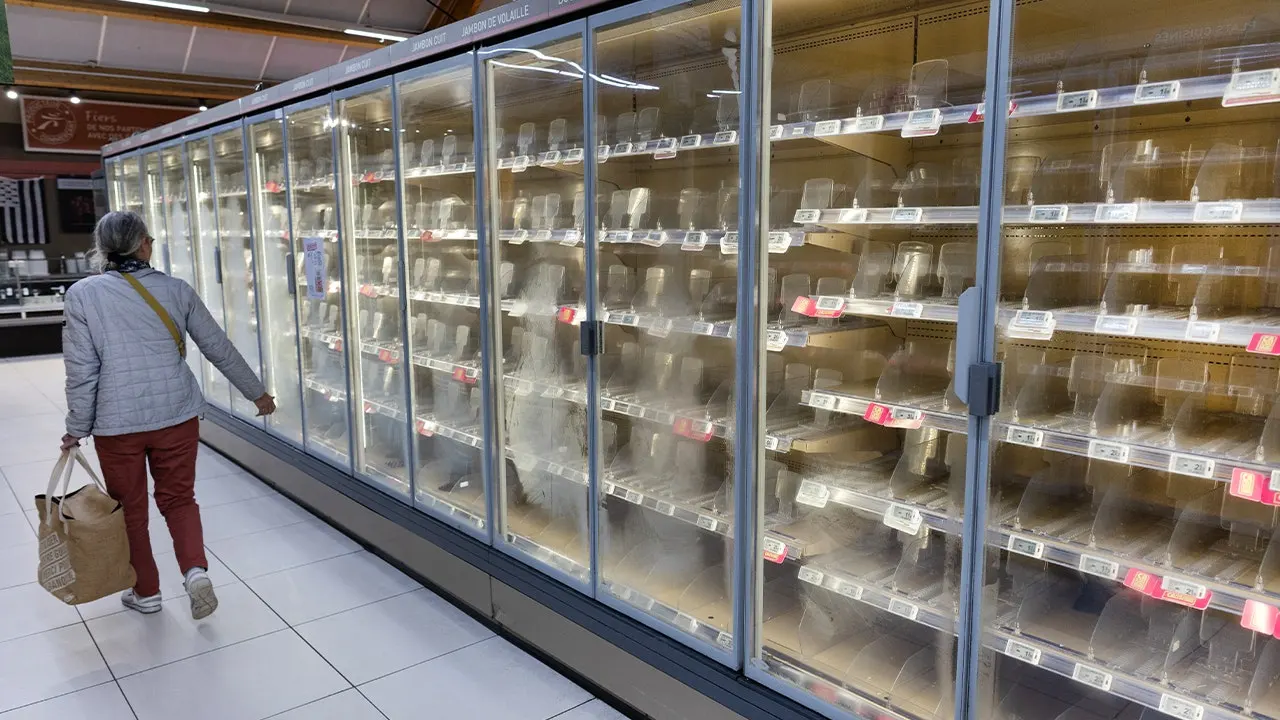
On November 2, apparent cyberattacks disrupted fridges and freezers at supermarkets in Belgium, Luxembourg, Sweden and Ireland, weeks after about 700 French stores were hit. Fox News headlined a former FBI agent’s warning that such attacks “could strike US.”
What they said
On November 2, 2026, apparent cyberattacks disrupted refrigeration at supermarkets in Belgium, Luxembourg, Sweden and Ireland; who carried them out has not been independently established.
Fox NewsNicole Parker, former FBI special agentNov 5, 2026
“What we're seeing right now is in Europe and other places, but it can very well happen on our soil”
Read it where it was publishedFox NewsNicole Parker, former FBI special agentNov 5, 2026
“I think if you are prepared, you do not have to fear”
Read it where it was publishedRTÉ NewsNov 5, 2026
How did supermarket fridges become a target for hackers?
Read it where it was publishedCBS NewsNov 3, 2026
More grocery stores in Europe report fridge and freezer temperature spikes as apparent cyberattacks continue
Read it where it was publishedBBC News EuropeNov 4, 2026
French blood storage impacted by freezer hacks as theories swirl about culprits
Read it where it was publishedThe US SunNov 4, 2026
Hackers behind attacks on supermarkets revealed as warning for blood banks given
Read it where it was published
“psychological warfare” The quotation marks suggest the source said it. Fox’s own text has her say the attacks carry a “psychological impact”. The label judges before any attacker is known.
“could strike US” Moves the story from European stores to your own aisle. The piece establishes no US fridge hack: the commissary failures it cites have no confirmed cause.
“former FBI agent warns” The title carries the proof. A former agent’s view is an opinion with a badge, and the headline gives no count, attacker or date to weigh it against.
“can very well happen” Her words keep it a possibility. Set beside the headline’s present-tense “are”, the possibility starts to read as something already arriving.
“revealed” Presents a claim as a finding. RTÉ reports the pro-Russian groups’ Telegram claims have not been independently established.
“warning for blood banks given” A warning is given and no one gives it. You feel an authority has spoken without seeing which one.
The analysis
The headline’s frame is Fox’s, not its source’s. Fox’s own text never has Nicole Parker say “psychological warfare”; she is quoted saying “This asymmetrical warfare has a very strong psychological impact”. An impact became a definition, and a present-tense “are” made it settled. The tense slips the same way twice: “can very well happen on our soil” becomes “could strike US”, a possibility written as an attack on its way. And “former FBI agent” does the proving: the badge stands in for evidence the story does not carry.
The page holds what the headline leaves out. Its fourth paragraph says Army CID is investigating refrigeration failures at at least six US commissaries in August; the fifth says “A cyberattack has not been established as the cause”. Lower down, the European attackers’ identity “remained unknown”, and Parker herself cautioned against naming culprits. RTÉ’s plain question carries the facts: 13 SuperValu stores pulled chilled food Monday and were fixed that evening, and Danfoss controllers had known weaknesses and software updates before October.
The tell is a threat with no number and no one who can act. The headline gives no count of stores, no attacker and no fix. The weak points in the research belong to shop owners: passwords “like the current date”, and controllers reachable from the internet, which Danfoss and CERT-FR advise against. The US Sun’s “revealed” makes a cousin of the move, a claim written as a finding. A reader who owns no supermarket fridge is left with one task, and it is worry.
The history. In 2022, Danfoss says, 16 Russian supermarkets and 40 Israeli stores using its AK-SM 800 controllers were hacked. The Israeli stores “lacked proper firewall or VPN protection.”
The irony. Danfoss advises keeping its controllers off the open internet. The headline’s contribution is keeping them on the reader’s mind.
From the book
The Authority Override
“Former FBI agent” closes the headline as its warrant. The badge persuades before the reader reaches the fifth paragraph, where Fox says no cyberattack has been established behind the US commissary failures.
Chapter 9, The Cognitive Cascades
The Historical Future (presupposition and temporal distortion)
A quoted “psychological impact” arrives as a present-tense “are ‘psychological warfare’”, and “can very well happen” as a strike aimed at the US. The possibility reads as an event already underway.
Chapter 11, The Serpent's Tongue
Your move
- The Master Question: this is built to make you afraid of your own grocery aisle, this week, while Europe’s stores are still warm. What does your fear enable when the headline gives you nothing to do with it?
- Does it touch you? If you run a shop with networked fridges, it asks for a plan: the passwords, and who can reach the controllers. If you buy groceries, it is weather: watch it without carrying it into your evening.
- Your nudge: name which pulled harder, the word “warfare”, the FBI badge, or the empty shelves beside the shopper. Notice what you already believed about who attacks Western fridges, and question it as hard on your own side.