
Daily Mail headline turns Aldi potato into longevity secret
Daily Mail Australia
Aldi shoppers discover 'rare to find' Japanese potato as longevity expert claims it's the secret to living to 100Read it where it was published
Quote marks lend a shopper’s voice to words no shopper said, and an unnamed title does the proving. You feel a century within reach for $6.99, and the click lands on a shopping page.
On November 12, Daily Mail Australia headlined Aldi’s red sweet potato, $6.99 a kilo, as a “rare to find” secret to living to 100. Aldi’s own page says only that it suits roasting, mashing or soups.
What they said
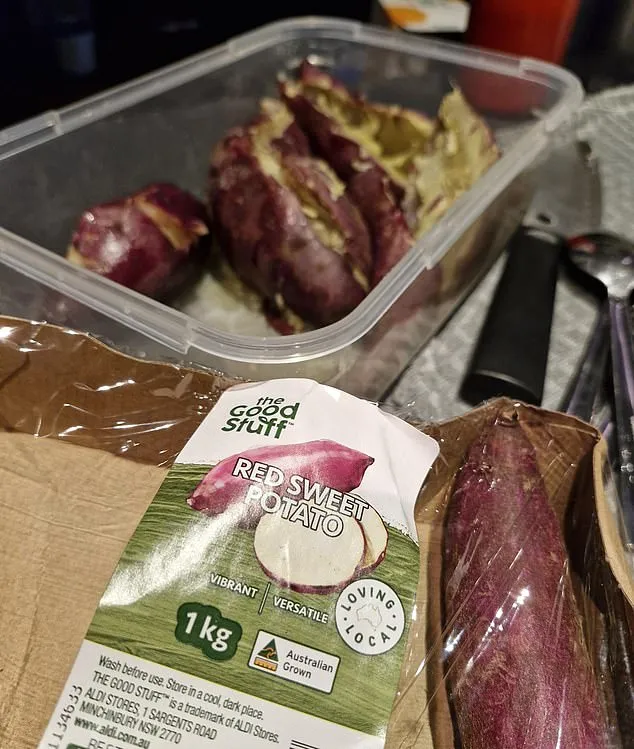
On November 12, 2026, Daily Mail Australia ran a shopping story on the red sweet potato Aldi Australia sells for $6.99 a kilo, built on a Brisbane shopper’s Instagram post and quotes from Blue Zones author Dan Buettner.
Aldi AustraliaAldi Australia (product page)
“Sweet and versatile, red sweet potatoes are great for roasting, mashing, or adding to soups.”
Read it where it was publishedDaily Mail AustraliaDan Buettner, as quoted by Daily Mail Australia
“Vitamin A is essential for maintaining healthy vision and skin. Incorporating sweet potatoes into your diet can support eye health and contribute to overall longevity.”
Read it where it was publishedDaily Mail AustraliaDan Buettner, as quoted by Daily Mail Australia
“Sweet potatoes are eaten by the longest-lived people in the history of the world in Okinawa. About 70 per cent of their calories came from sweet potatoes”
Read it where it was publishedDaily Mail AustraliaUnnamed shopper, as quoted by Daily Mail Australia
“Love these sweet potatoes. I actually prefer these to the orange ones but rarely find them in the grocery store”
Read it where it was publishedmsnbctv.newsNov 12, 2026
Aldi shoppers discover ‘rare to find’ Japanese potato as longevity expert claims it’s the secret to living to 100
Read it where it was publishedAldi Australia
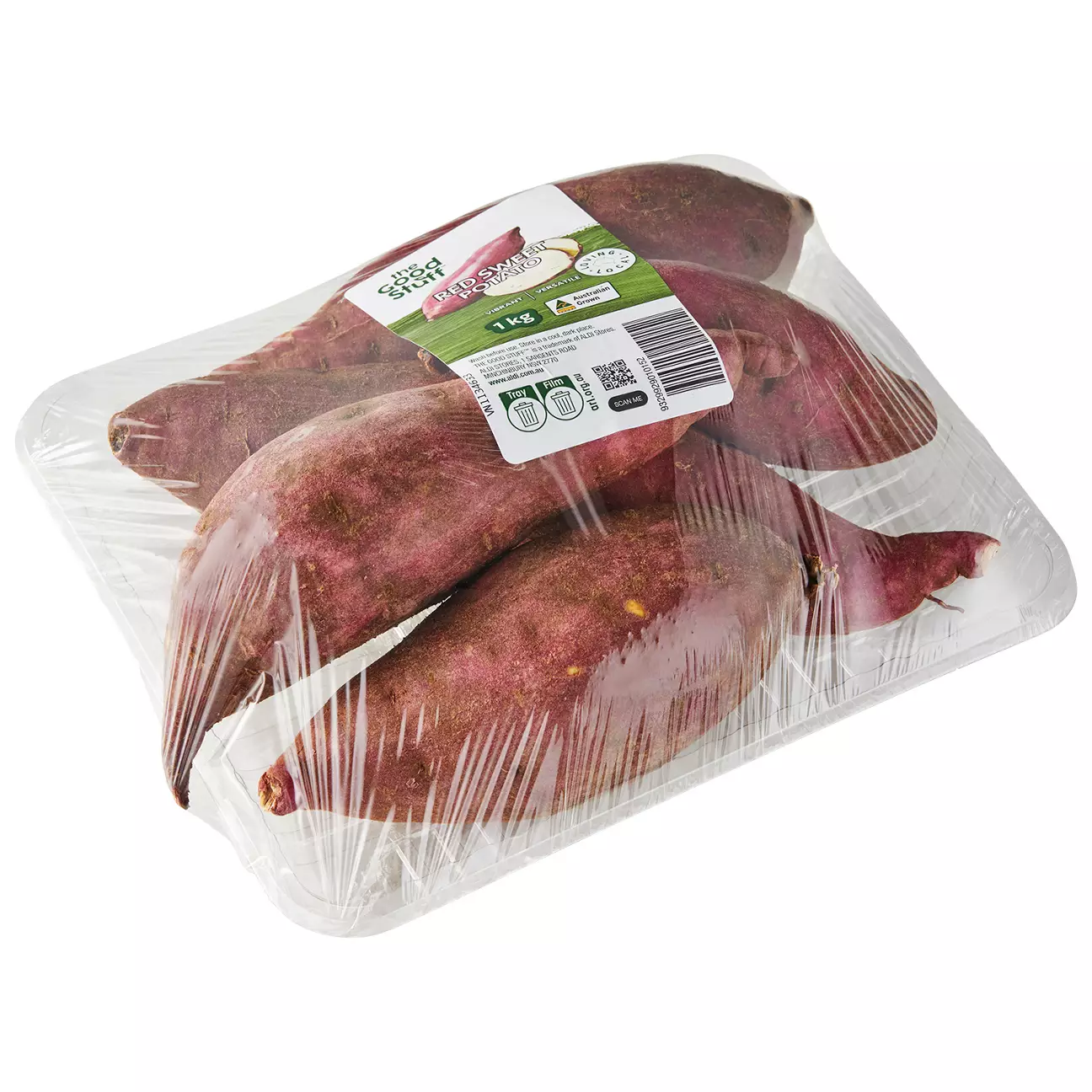
Aldi’s own product shot: a shrink-wrapped 1 kg tray of red-skinned sweet potatoes, its green label carrying an Australian Grown badge. Nothing on it about Japan, age or scarcity.
See it where it was published
“rare to find” In quote marks, as if a shopper said it. The phrase appears nowhere in the article. Aldi stocks the item in its everyday Fresh Vegetables range at $6.99 a kilo.
“longevity expert” A title with no name. He is Dan Buettner, named first in a photo caption and then in the eighth paragraph. The title proves the claim before you learn whose it is.
“secret to living to 100” The headline’s own verdict. The article cites no study, and its line that sweet potatoes are “scientifically proven” to boost life expectancy is its paraphrase, not his words.
“contribute to overall longevity” His quoted words: a food that “can support” and “contribute”, one part of a diet. The headline promotes it to the secret.
“in Okinawa” The article itself notes that Okinawa’s best-known variety is the purple beni-imo, not the red-skinned potato Aldi sells.
“rarely find them” One unnamed commenter, about their own grocery store. It is the nearest the article comes to “rare to find”.
The analysis
Every source in the headline is unnamed: “Aldi shoppers”, a “longevity expert”, a potato. The scarcity cue sits in quotation marks as if someone said it, yet “rare to find” appears nowhere in the article. The nearest words belong to one unnamed commenter who “rarely find them in the grocery store”. Aldi lists the item in its everyday Fresh Vegetables range, not its dated Special Buys, at $6.99 a kilo, with no word about Japan, age or supply. The health and scarcity wording is the article’s, not Aldi’s.
The expert does the proving before he has a name. Dan Buettner, “an American National Geographic Fellow”, appears first in a photo caption, then in the eighth paragraph. The habit the line rides: a title stands in for evidence. The device is the weasel word, a claim kept apart from its owner, and the opening paragraph makes him plural, “longevity experts”. His quoted words say sweet potatoes “can support eye health and contribute to overall longevity”. The article’s “scientifically proven” is its own paraphrase, and it cites no study.
The tell to carry into the next headline: a cure with a price tag and no study, vouched for by a title. The page undoes its own headline lower down, noting that Okinawa’s best-known variety is the purple beni-imo, and it closes by asking whether such foods “hold the real key to a longer life”. Aldi receives a health promise it never printed; the story, under a lifestyle and shopping byline, receives the click. A copy already runs on msnbctv.news, a site styled like MSNBC.
The words. “Japanese potato” sits on a bag whose label carries an Australian Grown badge. Japan arrives through Hannah’s Instagram post, “the sweet potato I grew up eating in Japan”, not through Aldi.
The irony. Aldi’s own page asks only that the potato be roasted, mashed or added to soup. The headline asked it to keep you alive until 100.
From the book
The Authority Override
“Longevity expert” carries the claim with no name attached, and the name arrives eight paragraphs later. By then the title has turned “contribute to overall longevity” into “the secret to living to 100”.
Chapter 9, The Cognitive Cascades
The Scarcity Signal: Artificial Scarcity
“Rare to find”, set in quote marks, puts a limit on a vegetable in Aldi’s everyday range at $6.99 a kilo. Its only source is one commenter’s “rarely find them”.
Chapter 24, Social Nudges
Your move
- The Master Question: you are being made to feel hope with a touch of urgency: a century in a $6.99 bag, rare enough to grab. Why now? No sale or date explains it. Feel hope on purpose, or not at all.
- Does it touch you? If you shop this week, the only decision here is a vegetable at its usual price, for roasting or soup. A worry about your health deserves a plan, not a headline. If it changes nothing, it is weather: watch it pass.
- Your nudge: which word pulled first, “secret”, “100” or “expert”? Name it to yourself, and the belief it pressed on: that long life has one hidden key, or that every such promise is nonsense. The same line pulls believers and skeptics both.