
CNN’s Yemen headline lets ‘fighting’ do the pushing
CNN
Escalating fighting in Yemen pushes already dire humanitarian crisis to the brinkRead it where it was published
One noun does all the fighting, and you are left bracing for a brink with no one to blame. Pity flows, and no army, no backer and no airport strike has to enter your head.
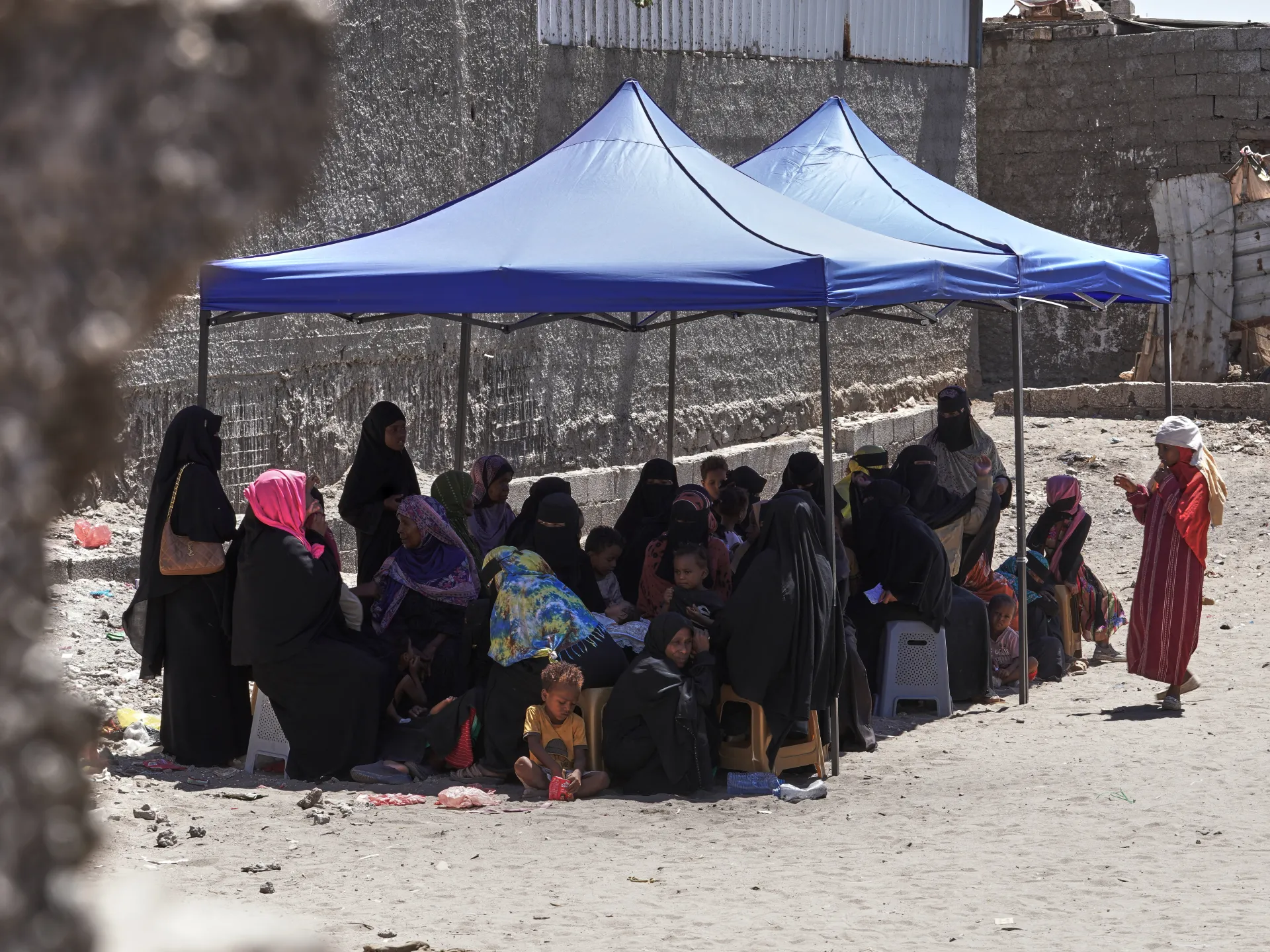
The UN says more than 290,000 Yemenis have fled their homes since August, as Saudi-backed government forces fight the Houthis and Saudi-led jets strike. CNN’s headline gives the crisis one subject: “Escalating fighting”.
What they said
On October 30, 2026, the UN said more than 290,000 people in Yemen had been forced from their homes since the start of August by renewed fighting between Saudi-backed government forces and the Houthis.
Press TVOct 29, 2026
‘Massacre of innocents’: 14 Yemenis killed in 101 Saudi strikes in 24 hours
Read it where it was publishedAssociated Press (via Arkansas Democrat-Gazette)Oct 29, 2026
Houthis say Saudi-led strikes kill 14 in Yemen
Read it where it was publishedArab NewsOct 30, 2026
Coalition intercepts Houthi drones over Riyadh and Madinah, missile in south
Read it where it was publishedArab NewsMaj. Gen. Turki Al-Maliki, spokesperson of the Coalition to Support Legitimacy in YemenOct 30, 2026
“launched by the terrorist Houthi militia toward the southern region.”
Read it where it was publishedAl JazeeraMajid al-Nazili, spokesman for Yemeni government forcesOct 29, 2026
“Our forces have carried out 749 military operations over the past 24 hours, resulting in the death or injury of 239 militants and the destruction of 117 vehicles and armoured vehicles”
Read it where it was publishedAl JazeeraOct 31, 2026
New Yemen fighting displaces 290,000, says UN, with pregnant women at risk
Read it where it was published
“Escalating fighting” The headline’s only subject. A war needs fighters; this sentence holds only the fighting, so no one in it can be asked to stop.
“pushes” The verb hands the push to an abstraction. In the research the pushing has names: a government offensive, Saudi-led airstrikes, Houthi drones and missiles.
“to the brink” A cliff-edge image: you brace for a fall instead of asking who pushes. The UN’s 290,000 displaced and 6,100 pregnant women never reach the headline.
“Massacre of innocents” A verdict in quotation marks opens the headline, and its 101-strike count comes from the Houthi-run military. Here the hand is named, and only one side’s.
“terrorist Houthi militia” The coalition spokesman’s label for the enemy, carried in the report. The Houthis denied Friday’s attack; the interceptions are the coalition’s own claims.
“militants” The government spokesman’s word for everyone his forces hit. It sorts 239 dead or wounded into a category before anyone else has counted them.
The analysis
Read CNN’s headline as a sentence. Its subject is “Escalating fighting”, and fighting is the only thing that acts: it pushes a crisis to the brink. No army, no government, no air force appears. That is the act with no actor: a war with a verb and no hands. A plain sentence from the research would say that Saudi-backed government forces launched an offensive against the Houthis, Saudi-led jets struck, Houthi drones flew, and the UN counted more than 290,000 displaced since August.
The same week’s other headlines each carry an army, usually the enemy’s. Press TV leads with “101 Saudi strikes”, a count from the Houthi-run military. Arab News carries the coalition’s interceptions, which the Houthis denied. The government’s spokesman counts 239 “militants” dead or hurt in one day. Each side’s outlet names the other side’s hand. CNN’s October 30 headline names none, and its page description names MSF and births in tents, still no party. On October 4, CNN’s own headline named Saudi-backed Yemeni forces and the Houthis.
The habit this rides is the frame picking the feeling: the same 290,000 people read as a disaster that arrived, or as the result of campaigns someone ordered. The word “brink” belongs to weather. Weather asks for pity and aid; a campaign asks who ordered it and who backs it, and the headline leaves no army to answer. The tell to carry forward: when the subject of a war sentence is fighting, clashes or violence, the people who gave the orders have left the sentence. The UN verified 68 killed since August, half of them children.
The words. “humanitarian crisis” names what the war leaves behind and nothing of what makes it. Beside “dire” and “brink”, the sentence describes a condition, the way a forecast describes a storm.
The history. A Saudi-led coalition intervened in 2015 to back the Yemeni government after the Houthis seized Sanaa in late 2014. The same three parties fill this week’s statements; one CNN headline holds none of them.
From the book
The Narrative Frame
The same displacement count reads as a natural disaster when its subject is fighting, and as the cost of two named campaigns when its subject is an army. CNN used the first frame on October 30 after naming the forces on October 4.
Chapter 9, The Cognitive Cascades
Negative hallucination
The headline’s power is in what is missing: the government offensive, the Saudi-led strikes, the Houthi drones. Seeing the war means seeing the armies the sentence does not print.
Chapter 17, The Shepherd of the Blind
Your move
- The Master Question: this is built to make you feel helpless pity, on the day the UN counts 290,000 displaced. Pity without an address asks nothing of anyone holding a weapon. What does your pity permit? Feel it on purpose, or not at all.
- Does it touch you? If nothing in your money, work or family changes this week, it is weather, though not for the 290,000. Watch it the way the marble statue watches a storm: without carrying it into your evening, and without performing it.
- Your nudge: which word pulled at you, “brink”, “Massacre” or “terrorist”? Name it to yourself, and which army you already leaned toward when you read it. The same week’s headlines pull two readers toward opposite sides; question the one you trust.
Sources CNN2Press TVAssociated Press (via Arkansas Democrat-Gazette)Arab News2Al-Monitor (Reuters)Al Jazeera2Xinhua