
CNN’s Durban headline leaves out the crowd of 50
CNN
Foreign citizen beaten to death during march in South Africa as anti-immigrant tensions flareRead it where it was published
One man dies in CNN’s sentence and no one kills him: the 50 people police counted become a mood that flares. You feel sorrow with nowhere to put it, and the crowd walks out of frame.
Police say about 50 people beat an unnamed foreign national to death in central Durban on October 22, after two men broke away from a marching group. CNN’s headline gives the act to “tensions”.
What they said
On October 22, 2026, police said a foreign national was beaten to death by a group of about 50 people on Dr Pixley kaSeme Street in central Durban. A murder case was opened, and police said the motive was unknown.
Arab NewsOct 22, 2026
Foreign citizen beaten to death during march in South Africa as anti-immigrant tensions flare
The same words, carried word for word to another audience.
Read it where it was publishedBBCOct 22, 2026
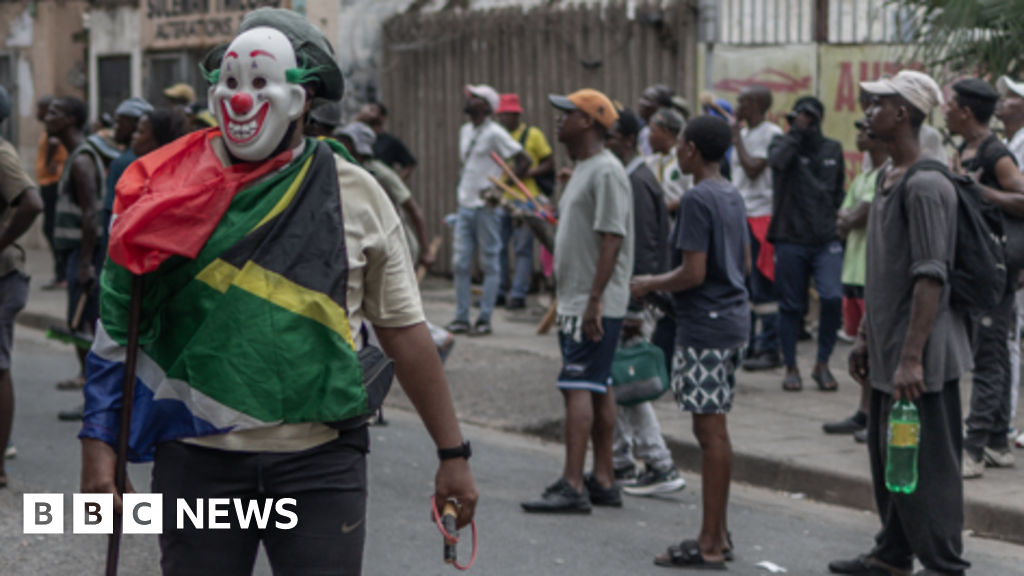
Durban attack: Crowd of 50 beats foreigner to death in South Africa
Read it where it was publishedBreitbartOct 22, 2026
South African Police Investigate Mob Lynching of Foreigner
Read it where it was publishedGroundUpOct 22, 2026
Man beaten to death in central Durban
Read it where it was publishedTRT WorldOct 22, 2026
South African police investigate mob killing of foreign national
Read it where it was publishedBreitbartSouth African Police Service (SAPS)Oct 22, 2026
“The motive for the killing is unknown at this stage, and community members are urged not to spread unverified information”
SAPS post on X, as quoted by Breitbart News.
Read it where it was published
“beaten to death” A verb with no one holding it. The dead man is the only person in the sentence, and he appears only as the one things were done to.
“during march” The only crowd in the sentence is a time marker. The killing happens “during” the march, the way rain happens during a day.
“tensions flare” Tensions have no hands. Police counted about 50 people; the headline hands the act to a mood that catches fire by itself.
“Crowd of 50 beats” The same police account, the same afternoon, with a subject and a count. The BBC puts 50 people where CNN puts a mood.
“Mob Lynching” Names the doers and the act at full weight. “Mob” is a verdict word; the police wrote “a group of about 50 people”.
“motive for the killing is unknown” Police did not tie the killing to the march’s cause. The anti-immigrant link comes from witnesses and outlets, which is why the crowd matters more than the mood.
The analysis
CNN’s headline has one person in it, and he only has things done to him. The words “beaten to death” have no one beating. The march appears as a clock, “during”, and the cause is a mood, “tensions”, that flares on its own. Police said two men broke away from a marching group on Dr Pixley kaSeme Street at about 7am Thursday and about 50 people assaulted the man. That sentence has a subject. The headline’s device is the act with no actor: the victim stays, the doers go.
The frame picks the feeling. The BBC wrote “Crowd of 50 beats foreigner” 34 minutes later, and a reader sees hands. With “tensions flare”, a reader sees weather: sad, distant, nobody’s. Breitbart and TRT World also put a mob in the subject. GroundUp’s headline is passive too, but the line beneath it reads “50 people murdered the man in broad daylight on Thursday morning”. The tell to carry: when a sentence has a victim and no doer, ask who its subject would have been.
The power in that street was 50 people against one man, whose name and country police have not given. When the crowd becomes a tension, no one in it has to appear, and neither does the question of who was meant to stop it. A security guard told GroundUp that vigilante groups had terrorised shop owners and residents for weeks while police were hardly visible. A mood cannot be charged; 50 people can. Police have opened a murder case and report no arrest.
The words. No headline names him: “Foreign citizen”, “foreigner”, “immigrant man”, “foreign national”. Police have not named him, so every outlet names him by the country he is not from.
The timing. Home Affairs issued a directive on September 28 applying a Constitutional Court ruling on asylum claims. Protests restarted. It was withdrawn October 9. A mob assaulted a Ugandan man October 21.
The calendar
- Sep 28, 2026Home Affairs directive: asylum seekers cannot be turned away on technicalities
- Oct 8, 2026Durban protest: at least 14 vehicles and several buildings set on fire
- Oct 9, 2026Home Affairs withdraws the directive
- Oct 21, 2026A mob assaults a Ugandan man in Durban
- TodayA foreign national is beaten to death by about 50 people; murder case opened
From the book
The Narrative Frame
One police account becomes a crowd of 50 at the BBC and “tensions flare” at CNN. One frame produces anger at people; the other produces a sorrow that points at no one.
Chapter 9, The Cognitive Cascades
Metaphors as Trojan Horses
“Flare” is a fire word, and a fire is something you wait out. The metaphor makes calm the remedy and leaves 50 people, and any arrest, outside the picture.
Chapter 11, The Serpent's Tongue
Your move
- The Master Question: CNN’s words offer sorrow with no one to hold; the BBC’s offer anger at 50 people. Why now? A mood needs no arrest. Sorrow without a doer asks nothing of anyone: feel it on purpose, or not at all.
- Does it touch you? If you or someone you love lives in Durban, this week asks for a plan: which streets, which hours, who to stay near. If not, it is weather: watch it without bleeding or feeding.
- Your nudge: name the word that pulled you, “tensions”, “Mob” or “foreigner”, and the belief about migrants or crowds it pressed on. One reader feels grief, another grievance, from the same line. Question your own side’s reading too.
Sources CNNArab NewsBBCBreitbartGroundUpTRT WorldDaily Maverick