
Cat food ‘toxic’ verdict comes without a safety limit
WMTV 15 News (CNN Newsource)
Cat food investigation finds toxic contaminants across nearly all brandsRead it where it was published
‘Investigation’ with no investigator, ‘toxic’ with no dose: you feel your cat’s bowl turn dangerous before you learn who measured it. The group that drew the scale also certifies the brands that pass it.
Clean Label Project, a nonprofit that also certifies brands, reported on October 2 that it found lead in 99% of 100 cat food products from 62 brands. It ranked products against each other, not against regulatory safety limits.
What they said
On October 2, 2026, Clean Label Project published tests of 100 cat food products from 62 brands, reporting lead in 99%, cadmium in 96% and arsenic in 94%, measured against its own purity standard.
Clean Label ProjectOct 2, 2026
Heavy Metals Found in Up to 99% of Cat Food Products Tested Across 62 Brands
Read it where it was publishedLocal 12 (WKRC)
Study finds heavy metals, other contaminants in many cat food products
Read it where it was publishedNewsweekOct 3, 2026
Heavy Metals in Cat Food: Safer Brands as Study Examines Toxic Materials
Read it where it was publishedClean Label ProjectClean Label Project (report)Oct 2, 2026
“A single test result only reflects one batch of product.”
Read it where it was publishedNewsweekJennifer Larsen, professor of clinical nutrition, UC Davis School of Veterinary MedicineOct 2, 2026
“This is fearmongering without any contextual background on safe or unsafe exposure levels”
Read it where it was publishedNewsweekElise Fennig, CEO, Pet Food InstituteOct 2, 2026
“Cat owners should feel confident that the food they feed their pets is safe and produced according to rigorous regulatory and quality standards”
Read it where it was publishedNewsweekMolly Hamilton, executive director, Clean Label ProjectOct 2, 2026
“Cat owners increasingly choose premium meats, organic vegetables and cleaner labels, assuming higher prices and quality ingredients mean healthier food”
Read it where it was published
“investigation” A noun with no owner. ‘Investigation finds’ sounds like reporters or regulators; the tester is Clean Label Project, which also certifies brands. A finding with no finder is the tell.
“toxic contaminants” ‘Toxic’ is a verdict about dose. The report ranks each product against the rest of the category, not against safety limits, so the word arrives with no line to measure it by.
“nearly all brands” True of detection: lead in 99%, cadmium in 96%, arsenic in 94%. ‘Nearly all’ turns presence into a sweep and makes your own brand suspect before you know anything about it.
“Up to 99%” ‘Up to’ puts the highest number first. Glyphosate was in 37%, DEHP in 48 of 100; the 99% belongs to lead alone, and becomes the yardstick for everything else.
“Safer Brands” The headline delivers the exit with the fear. The study page names three brands carrying its certification: Bixbi, Freshpet and Smalls.
“fearmongering” A counter-label, as hot as the word it answers. The specific complaint follows it: no context on safe or unsafe exposure levels. That gap is what the headlines skip.
The analysis
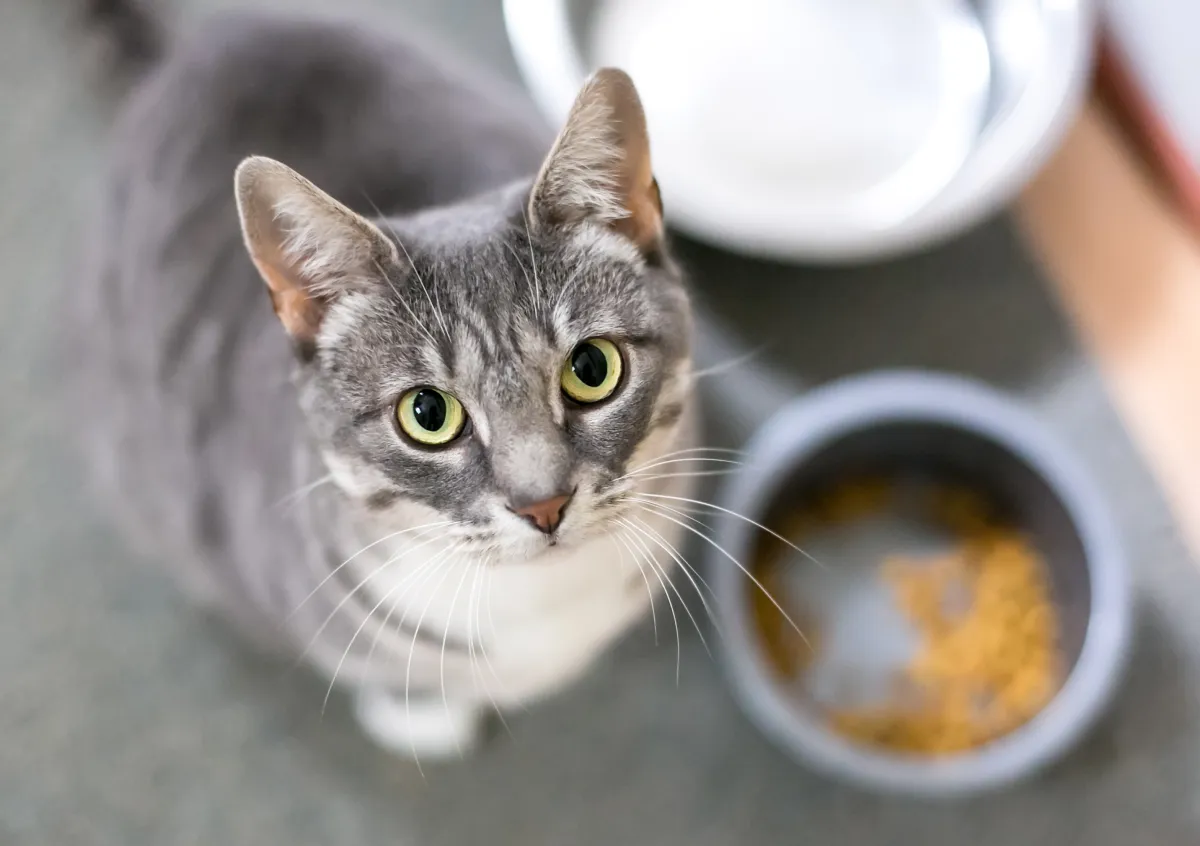
Ten words and no investigator. ‘Investigation finds’ sounds like reporters or regulators went looking; the tester was Clean Label Project, a nonprofit that also certifies brands. ‘Toxic’ carries a verdict about dose, yet the report ranks each product against the rest of the category, not against regulatory safety limits, and counts per 1,000 kilocalories. WMTV set it over a gray cat staring into the lens at eye level, at home: your animal, looking at you.
What the WMTV headline leaves out, other pages carry. Newsweek quoted the Pet Food Institute saying the study did not show any contaminant at harmful levels, and UC Davis nutritionist Jennifer Larsen calling it fearmongering. Local 12 wrote that the findings do not establish the foods are unsafe. The report itself warns that one result reflects one batch. The WMTV page, under a CNN Newsource byline, includes no comment from makers, the institute or an independent veterinarian.
The fear comes with a door. Newsweek’s headline offers ‘Safer Brands’; the study page names three it certifies. Molly Hamilton’s line turns an owner’s higher spending into the wound itself. The Pet Food Institute answers in kind: owners ‘should feel confident’, also with no number. Lead in 99% of products is a real finding. The tell is a danger with no dose, followed by a list of what to buy, or a promise to stop worrying.
The history. In October 2018, Cornell researchers found glyphosate in every dog and cat food they tested, at about 80 to 2,000 micrograms per kilogram, and estimated exposure well below human safety limits.
The money. Two parties sell a feeling here. Clean Label Project’s page names three brands it certifies: Bixbi, Freshpet and Smalls. The Pet Food Institute’s CEO asks owners to ‘feel confident’. Neither line gives a dose.
From the book
Installing Cravings That Never Sleep
Hamilton’s line finds the bleeding in owners who pay more for ‘cleaner labels’; ‘toxic’ across ‘nearly all brands’ salts it; the study page’s three certified brands stand as the bridge.
Chapter 7, The Strings of the Heart
Negative hallucination
The missing figure is the limit. No headline in this set says how much lead would harm a cat, and the report measures products against each other instead of a safety line.
Chapter 17, The Shepherd of the Blind
Your move
- The Master Question: you are being made to feel fear, aimed at your cat’s bowl, with safer brands close behind. Why now? A new report and a headline with no dose. What does your fear enable: a switch, a seal, a sale.
- Does it touch you? If you feed a cat, this asks for a plan, not a feeling: what level, measured against what limit, would change what goes in the bowl. If you do not, it is weather: watch it pass without bleeding or feeding.
- Your nudge: which pulled harder, the word ‘toxic’ or the cat’s face? Say in the comments, and which belief it pressed: that companies cut corners, or that activists inflate risk. The same headline pushes those readers opposite ways; question your own side too.
Sources WMTV 15 News (CNN Newsource)Clean Label ProjectNewsweekLocal 12 (WKRC)Cornell CALS