
BBC’s Ethiopia headline counts 60 Christians, names no killer
BBC News
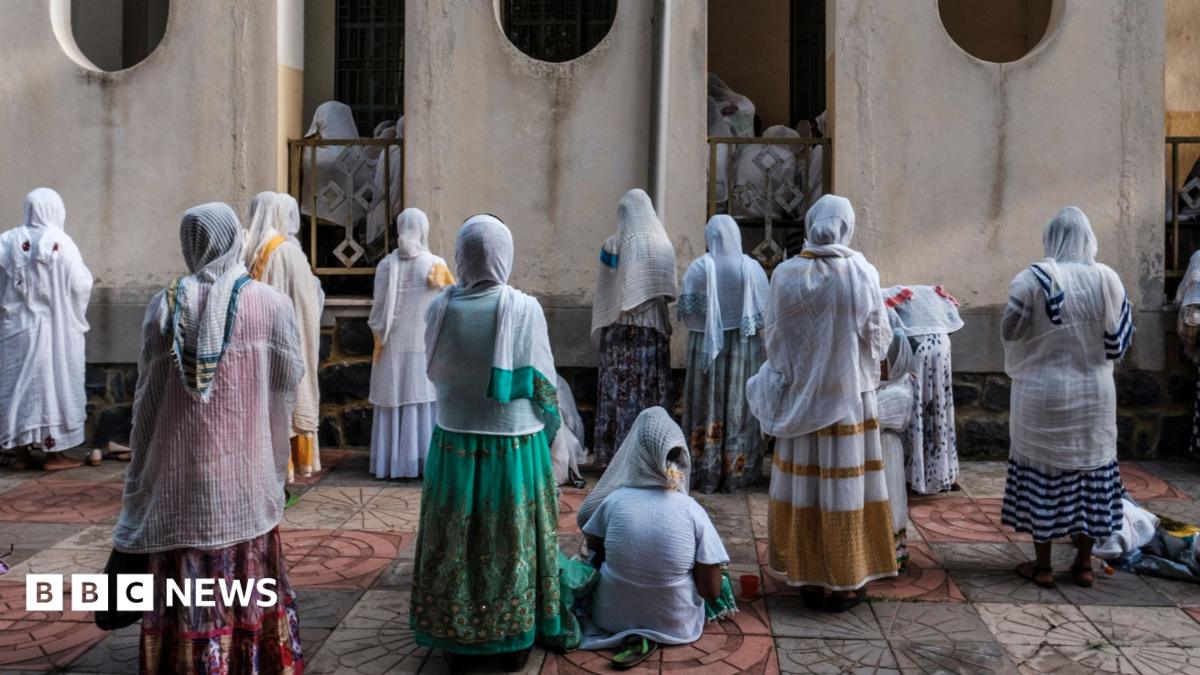
More than 60 Christians killed in Ethiopia 'massacre', church official saysRead it where it was published
Sixty dead, named by their faith, and a blank where the killer should be: your mind fills the blank with another faith. Two American sites printed that guess as their headline.
Armed men killed dozens of people in two districts of Ethiopia’s Arsi Zone between October 20 and 25. The BBC headlined the Orthodox Church’s toll of 60 and named no attacker; no source has confirmed one.
What they said
Between October 20 and 25, 2026, armed men killed at least 48 people in Ethiopia’s Arsi Zone, Oromia, by residents’ count, and 60 by the Holy Synod’s; no source has confirmed who carried out the attacks.
AllAfrica (Addis Standard)Oct 26, 2026
Ethiopia: At Least 48 Civilians Killed in Weekend Attacks in Ethiopia's Oromia Region, Once Again
Read it where it was publishedAllAfrica (Addis Standard)Oct 27, 2026
Ethiopia: Holy Synod Confirms 60 Orthodox Faithful Killed in Latest Attacks in Oromia, Calls for Protection, Justice
Read it where it was publishedTownhallOct 26, 2026
More Than 60 Christians Killed in Apparent Islamic Terror Attack in Ethiopia
Read it where it was publishedNot the BeeOct 26, 2026
At least 60 dead in Islamist massacre of Christians in Ethiopia
Read it where it was publishedAllAfrica (Addis Standard)Unnamed resident who attended the victims' mass funeralOct 26, 2026
“Armed men were going door to door shooting and stabbing civilians”
Read it where it was publishedAllAfrica (Addis Standard)Unnamed residentOct 26, 2026
“No one is interested to take us seriously”
Read it where it was publishedAllAfrica (Addis Standard)Hailu Adugna, head of the Oromia Regional Communication BureauOct 26, 2026
“Tsimdo, facing mounting losses, was attempting to divert the government's attention and expand internal conflict.”
Read it where it was published
“More than 60 Christians” The faith comes first and the count is a total. The Holy Synod’s 60 covers two attacks: 14 dead in Merti on October 20, 46 in Shirka on October 24.
“killed” A verb with no one doing it. A plain sentence would say “armed men killed”, the words a resident used after the mass funeral.
“'massacre'” The quotation marks hand the word to an unnamed church official in the seventh paragraph. The word still lands; its owner stays out of sight.
“Islamic Terror” A faith written as the killer. No source in the coverage names the attackers’ religion. The hedge “Apparent” sits in front of the verdict and leaves it standing.
“Islamist massacre” The BBC’s borrowed word loses its quotation marks and gains a faith. The killers’ belief is stated as fact; no source quoted anywhere confirms it.
“Tsimdo” The regional government’s one named culprit, given in a brief remark to state media. No formal statement, victim count or account of the security forces followed.
The analysis
The BBC’s sentence holds the dead and a church official, and no one who killed them. “Killed” has no subject: the act with no actor. “Massacre” sits in quotation marks, lent by an unnamed church official in the seventh paragraph. The fourth paragraph names the first suspect: a local official blames the new rebel coalition Alliance for Survival, which includes the Oromo Liberation Army. The OLA has not commented, the article says, and has denied carrying out earlier such attacks.
The headline names the dead by their faith. Addis Standard calls the same people “Civilians”; the Holy Synod calls them “Orthodox Faithful”. The frame picks the feeling: the same funeral read as Christians killed calls up one fear, read as civilians killed, another. The BBC’s own page, lower down, says Muslims have also been attacked in the area and residents call the violence both ethnic and religious. Among the dead in Shirka, residents say, were at least six children under 15.
The tell: a headline that names the victims’ faith and leaves the killer blank invites the reader to fill the blank with another faith. Townhall and Not the Bee did, in print. No source in the coverage names the attackers’ religion; Borkena’s families describe local armed groups with “extremist elements” from Bale Zone. The power sits with the Oromia Regional Government, which has issued no formal statement or count, and with local police one resident says backed the militias, a claim Addis Standard could not verify.
The history. In July 2026, the Ethiopian Human Rights Council counted at least 432 civilians killed in targeted attacks across East Arsi since 2021/2022, Orthodox communities hit hardest. The BBC gives the same report’s toll as 458.
The words. Addis Standard’s headline ends “Once Again”. Two words carry the pattern the BBC’s line leaves out, from Tijo village on August 13, 2024, to Teleta Gebriel, May 30 to June 1, 2026.
From the book
Correlation presented as revelation
The BBC sets “Christians” beside “killed” and names no killer, and the reader supplies the cause. Townhall and Not the Bee print the cause the reader was invited to supply.
Chapter 10, The Enemy's Gift
The Narrative Frame
One weekend of killing in Shirka becomes “Christians” in London, “Civilians” in Addis Ababa and “Islamic Terror” in Washington. The facts hold still; the story wrapped around them decides the feeling.
Chapter 9, The Cognitive Cascades
Your move
- The Master Question: you are being made to feel grief that wants a target, and a faith offers one. Why now? The killers have no confirmed name yet, and a blank invites a guess. For anger, the book asks: why do they need my anger?
- Does it touch you? If you have family in Arsi, it does, and it asks for a plan for their safety, not a feeling. If it changes nothing you will do this week, it is weather: mourn the dead without carrying a borrowed enemy into your evening.
- Your nudge: name which word pulled at you, “Christians”, “Islamic” or “Civilians”, and which belief it pressed on. A Christian and a Muslim reader feel opposite pulls from the same line. Question hardest the pull that flatters your own side.
Sources BBC NewsAllAfrica (Addis Standard)2BorkenaTownhallNot the Bee