
BBC headline names Iran the killer, citing no one
BBC News
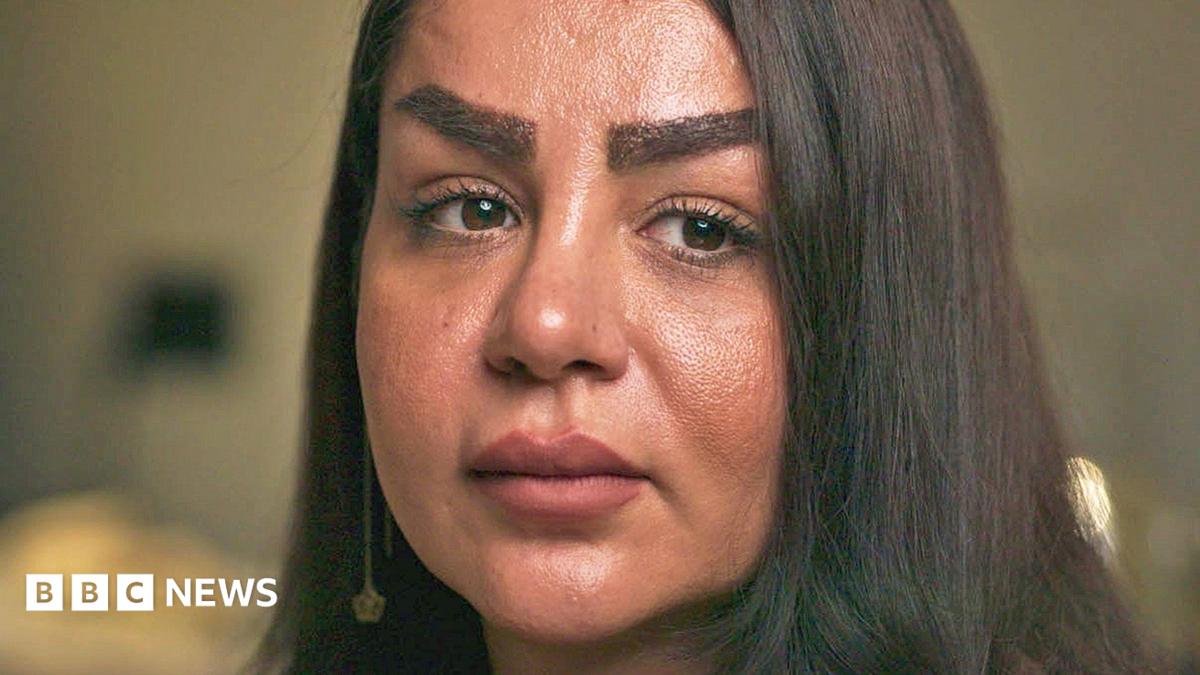
Iran killed her teenage daughter - now she is facing up to the regimeRead it where it was published
Four words hand you the killer before the first paragraph: a whole country fired, and “the regime” is the verdict. Your anger arrives already aimed, with no “says” to tell you who aimed it.
On November 2 BBC Panorama published its interview with Samira, whose 16-year-old daughter Sevda was shot dead at a protest near Tehran on January 9. One BBC headline says “Iran killed” her. Another names no shooter.
What they said
On January 9, 2026, 16-year-old Sevda was shot dead at a protest on the outskirts of Tehran; her mother says Iranian security forces fired.
BBC NewsNov 2, 2026
'I couldn't be silent': Iranian teen's mother seeking justice after daughter shot dead
Read it where it was publishedBBC NewsNov 2, 2026
Baby among four killed in bomb attack in western Colombia, official says
Read it where it was publishedBBC NewsNov 2, 2026
Russian bombing kills 24 people at Ukraine aid centre, Kyiv says
Read it where it was publishedBBC NewsSamira, Sevda's motherNov 2, 2026
“A sniper fired from the roof of a building on our right. The bullet must have come from the rooftop. The bullet went through her heart.”
Read it where it was publishedBBC NewsSamira, Sevda's motherNov 2, 2026
“They silenced families by telling them to say their loved ones were killed by Israeli or American terrorists.”
Read it where it was publishedAl JazeeraFeb 5, 2026
Questions after Iran’s government releases victim list in protest killings
Read it where it was publishedPBS NewsHour (AP)
More than 7,000 dead in Iran's crackdown on protests, activists say
Read it where it was published
“Iran killed” No “says” follows. The BBC vouches for the killer in its own voice, where its Colombia and Ukraine headlines the same day hand the claim to a source.
“the regime” A verdict noun: it judges the government before the sentence says what it did. Al Jazeera’s headline on the same killings says “government”.
“shot dead” Five minutes later, the same interview, the same BBC, and the act has no actor at all. The page underneath did not change; only the headline’s grammar did.
“must have come” The witness speaks with care: she saw where the bullet struck and reasons back to the roof. The article credits the sniper to her. The headline carries none of that care.
“Israeli or American terrorists” The state’s counter-label, as Samira reports it. Iran’s embassy in London says the protests were hijacked by foreign powers including the US, and says nothing about Sevda.
The analysis
Four words carry the charge: “Iran killed her teenage daughter”. A country is the subject, a killing is the verb, and no “says” follows. The same BBC that day ended its Ukraine headline with “Kyiv says” and its Colombia one with “official says”, though AFP reports it was not clear who set off that truck bomb. The tell is the missing “says”: a headline that names a killer and credits no one is handing you its own verdict.
Five minutes later the BBC put the same interview under “daughter shot dead”, with no shooter. The frame picks the feeling: the same death told as a state’s act stirs anger at a culprit, told as a passive loss stirs grief for a mother. Then comes “the regime”, a verdict noun, a word that convicts a government before the sentence says what it did. The article’s own voice uses “Iran’s repressive regime”; Samira calls herself a “one-woman army fighting the regime”.
The record behind the headline is wider than its four words. The UN and rights groups say state forces were behind most of the killings, on January 8 and 9. Iran’s government counts 3,117 dead and rejects that; HRANA counts at least 7,003, including 214 government forces. The rooftop sniper and the Basij and IRGC forces are Samira’s account, credited to her. The third paragraph says “Iranian security forces” in the BBC’s voice; the headline widens that to a whole country.
The words. The article’s sentence names “Iranian security forces”, units with commanders. The headline says “Iran”, which takes in every Iranian, including the mother herself and the daughter she lost.
The history. In October 2022 the mother of 16-year-old Nika Shakarami disputed officials’ claim that her daughter fell from a building, saying blows to the head killed her. Then too, a mother’s word stood against the state’s.
From the book
The Narrative Frame
One interview, two BBC frames five minutes apart: “Iran killed” builds a culprit and anger, “shot dead” builds a loss and grief. The facts on the page stay the same.
Chapter 9, The Cognitive Cascades
Loaded Language: Emotive Framing
“The regime” carries the judgment that “government” would leave to the reader, and “Iran” stands in for the security forces the article itself names.
Chapter 23, Linguistic Hacks
Your move
- The Master Question: four words aim your anger at a state, ten months after the shot and a day before Americans vote. The anger may be earned. Still ask why they need it, and who spends it once it is yours.
- Does it touch you? If nothing in your money, work or family turns on this headline this week, it is weather. Watch it the way the marble statue watches a storm: feel the grief, without bleeding it into your evening or feeding it to anyone.
- Your nudge: name the word that pulled, “Iran”, “killed” or “regime”, and the belief it pressed. A reader who distrusts Tehran hears confirmation; a reader who distrusts the BBC hears bias. Both are being nudged. Question the side you are on.
Sources BBC News234Al Arabiya (AFP)Al JazeeraPBS NewsHour (AP)CBC News