
BBC headline judges a slain Nigerian cleric, names no killer
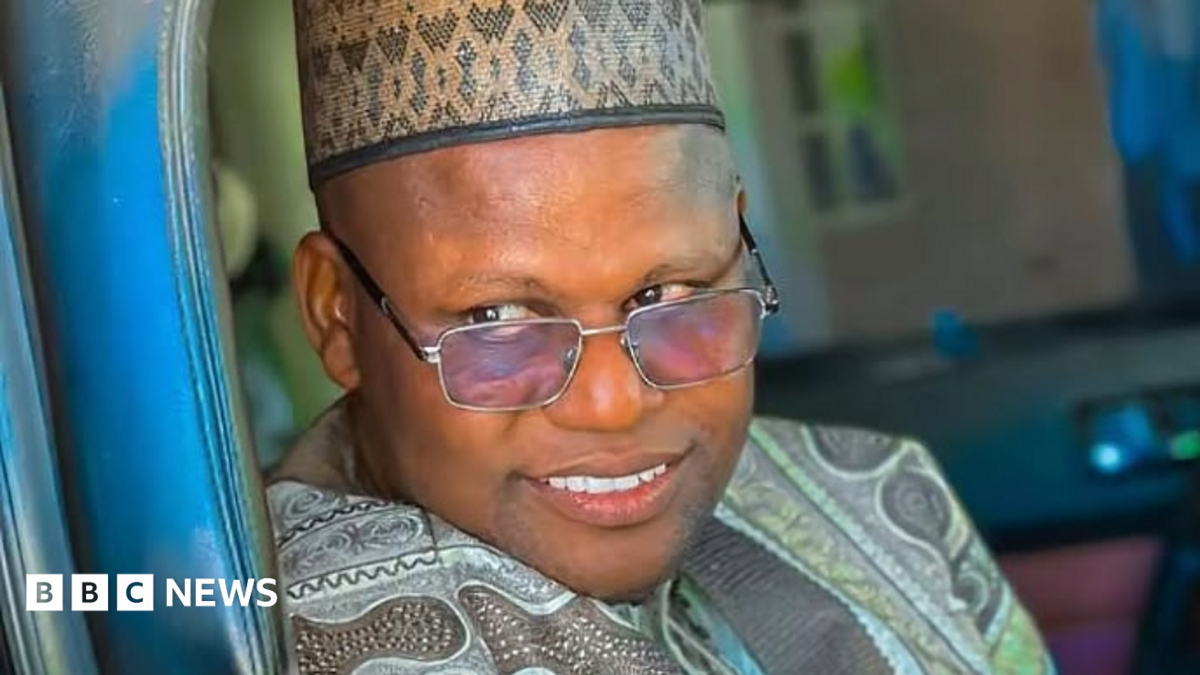
BBC News Africa
Controversial Islamic cleric shot dead in northern NigeriaRead it where it was published
The one judgment in the sentence lands on the smiling dead man, and no one holds the gun. You file the killing under his controversy, and the group that claimed it never enters your mind.
Two gunmen on a motorcycle killed Sheikh Yahaya Ibrahim Masussuka and his friend Adamu Abubakar outside his home in Dutsin-Ma, Katsina State, on October 26. The jihadist group Ansaru claimed the killing; the BBC called him “Controversial”.
What they said
On October 26, 2026, two armed men on a motorcycle shot dead Sheikh Yahaya Ibrahim Masussuka and his friend Adamu Abubakar outside the cleric’s home in Dutsin-Ma, Katsina State, Nigeria, and Ansaru later claimed responsibility.
Premium Times (Nigeria)Oct 27, 2026
Ansaru claims responsibility for killing of Katsina cleric, Sheikh Masusuka
Read it where it was publishedSahara Reporters (Nigeria)Oct 27, 2026
Gunmen Kill Islamic Cleric Yahaya Masussuka, Visitor In Katsina Home Attack Ahead Of Planned Peace Gathering
Read it where it was publishedTRT Afrika
Prominent Nigerian Muslim scholar Masussuka shot dead
Read it where it was publishedWIONOct 28, 2026
Controversial Nigerian cleric Yahaya Masussuka shot dead in Katsina
Read it where it was publishedLegit.ng (Nigeria)
Bandits Kill Prominent Islamic Cleric Sheikh Yahaya Masussuka, Associate
Read it where it was publishedTruthNigeriaAbu Usman, Dutsin-Ma resident and neighbor of the cleric
“He was with a friend, preparing for a religious lecture at about 7:30 pm when two men on a bike, shouting Allahu Akbar, suddenly appeared, shot them and left”
Read it where it was published
“Controversial” The one judging word in the headline belongs to the dead man. It answers nothing about the shooting and sorts him into a dispute before the reader learns he was murdered.
“shot dead” The act with no actor. Katsina police say two armed men on a motorcycle opened fire, yet the sentence’s only subject is the man who was killed.
“Ansaru claims responsibility” About five hours before the BBC headline, Premium Times put the group that claimed the killing at the front of its sentence. Same day, same death, and someone does it.
“Visitor” A second man died: Adamu Abubakar, the cleric’s friend. Sahara Reporters counts him in its headline; the BBC story never names him.
“preparing for a religious lecture” A neighbor’s account: two friends getting ready for a lecture. The people around him describe a scholar at work, where the headline describes a controversy.
The analysis
Read the BBC line as a sentence. Its only subject is the dead man, and its only judgment falls on him. No one fires. The verdict word, “Controversial”, does the work an argument would have to do: it tells you what kind of man he was before it tells you he was killed. The mind fills the gap the way it likes to, with a reason the harm found him: the old habit that the harmed must have done something to deserve it.
The BBC page knows more than its headline. “Two assailants” arrive in the second paragraph; the fourth says “It is not clear why Masussuka was targeted”; his stand against violent extremism and for interfaith dialogue waits until the thirteenth. Ansaru’s claim, which Premium Times carried that afternoon, never appears, and neither does Adamu Abubakar. Police, The Sun reported, had not established a motive and announced no arrests. Ansaru’s video names his support for peaceful coexistence between faiths among its reasons for killing him.
Set those facts together. The controversy the headline names is, in the claimants’ own video, their reason; the headline keeps the reason and drops the claimants. A killing filed under the victim’s dispute reads like a dispute closed, and the group’s warning to others who question Hadith traditions, give up your positions or face attacks, goes unheard. The tell: when the only adjective in a death headline describes the dead, look for the people the sentence left out.
The words. The same man is “Controversial” to the BBC and WION and “Prominent” to TRT Afrika and Legit.ng. Every one of them still writes him “shot dead” by no one, or by “Bandits”.
The history. The BBC’s own page reports six other prominent Muslim preachers murdered in northern Nigeria over two decades, several targeted by Boko Haram, whose insurgency began in 2009, for criticising it.
From the book
Loaded Language: Emotive Framing
One adjective, “Controversial”, judges the victim without making an argument, and WION repeated it the next morning. TRT Afrika’s “Prominent” on the same death shows how much the label alone decides.
Chapter 23, Linguistic Hacks
Negative hallucination
The story lives in what the headline lacks: the two gunmen, the second victim, the group that claimed the killing. Seeing those absences puts a doer back into a sentence that has none.
Chapter 17, The Shepherd of the Blind
Your move
- The Master Question: you are made to feel distance, a disputed man meeting a disputed end. Why now? The label landed the day after the killing, hours behind Ansaru’s claim. Distance is a feeling too: feel it on purpose, or not at all.
- Does it touch you? Unless your work, family or faith ties you to northern Nigeria, this changes nothing you will do this week. It is weather: watch it pass without carrying it into your evening or performing it for anyone.
- Your nudge: did “Controversial” make you lean back, or did “Islamic cleric” do it first? Name which word moved you and what you already believed about preachers, Nigeria or Islam. Question everything, including the side you are on.
Sources BBC News AfricaPremium Times (Nigeria)2Sahara Reporters (Nigeria)TRT AfrikaWIONLegit.ng (Nigeria)Leadership (Nigeria)TruthNigeriaThe Sun (Nigeria)