
An insult from the bench, worn as a banner
CNNSurya Kant, Chief Justice of India
“There are youngsters like cockroaches, they don’t get any employment, they don’t have any place in profession”Read it where it was published
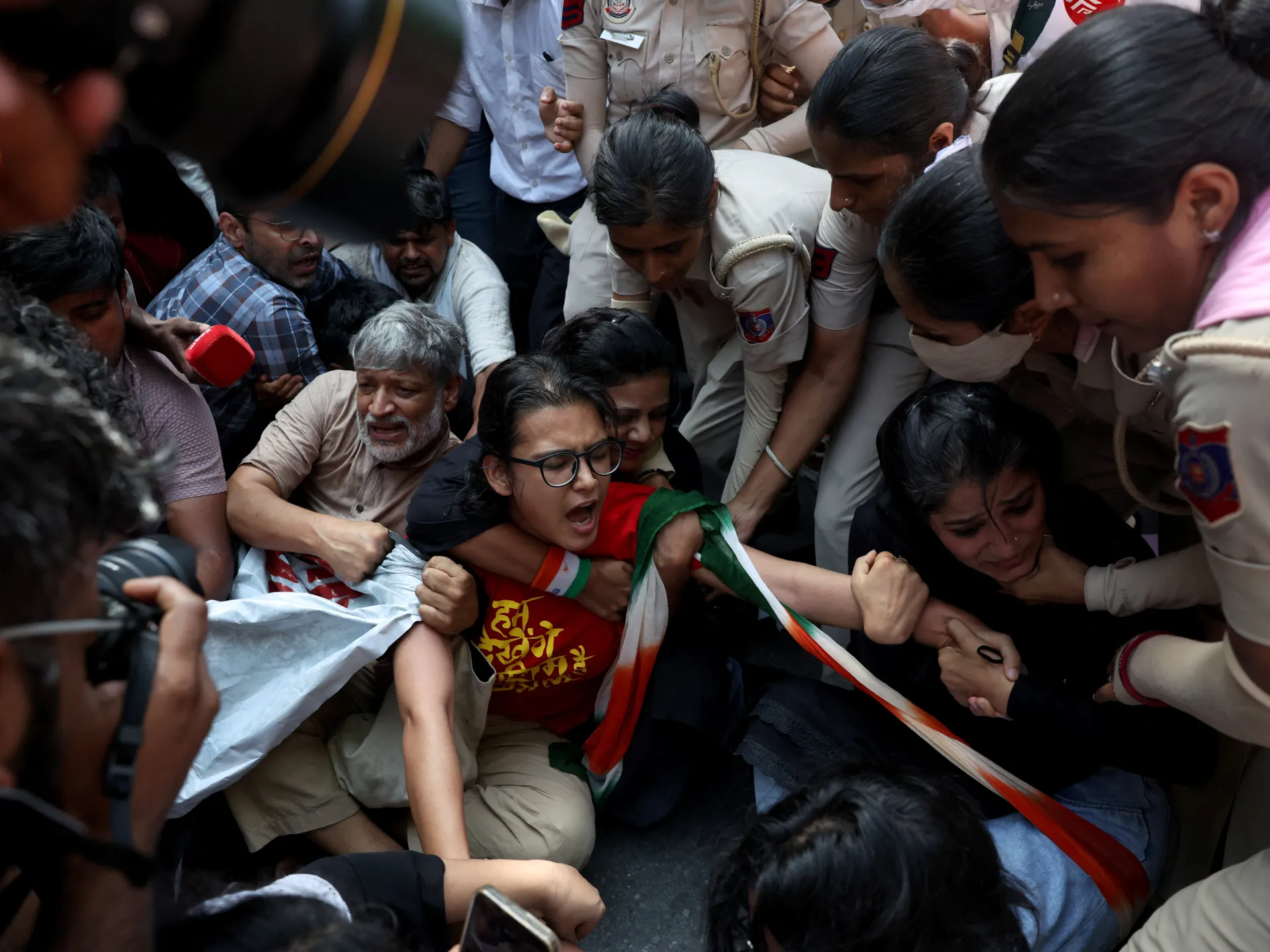
You feel the sneer in a judge’s pest word for jobless youth, then a flag gripped under police hands. The insult now recruits: shame worn as a badge, aimed at one official.
Protesters calling themselves the Cockroach Janta Party marched in Delhi and Mumbai on October 2 to demand that Chief Election Commissioner Gyanesh Kumar resign over voter rolls. Police detained hundreds near Jantar Mantar.
What they said
On October 2, 2026, the Cockroach Janta Party, opposition parties and student groups protested in Mumbai and New Delhi to demand Chief Election Commissioner Gyanesh Kumar’s resignation over a revision of voter rolls, and Delhi Police detained hundreds at and near Jantar Mantar.
France 24Abhijeet Dipke, founder of the Cockroach Janta Party
“What if all cockroaches come together?”
Read it where it was publishedCNBCAbhijeet Dipke, founder of the Cockroach Janta PartySep 24, 2026
“is the biggest threat to India's democracy”
Read it where it was publishedAl JazeeraOct 2, 2026
Can India’s ‘cockroach’ movement oust Modi’s election chief?
Read it where it was publishedBBC News AsiaOct 2, 2026
India's 'cockroach' protesters are back - this time asking poll chief to resign
Read it where it was publishedDWOct 2, 2026
India news: Delhi protesters turn up heat on election chief, police tightens security
Read it where it was publishedThe Indian ExpressOct 2, 2026
‘More than 10? Pick them up’: Math behind Delhi Police’s EC protest crackdown
Read it where it was publishedThe HinduOct 2, 2026
Jammu and Kashmir Congress holds protest against CEC Gyanesh Kumar
Read it where it was published
“like cockroaches” A simile from the highest bench puts jobless young people in the vocabulary of pests. The clarification, about fake degrees, came after the word had already traveled.
“all cockroaches” The founder repeats the insult as a head count. The pest word becomes a crowd, and the crowd becomes a joke the insulter cannot easily answer.
“the biggest threat” Threat language aimed at one official. The movement that wore a slur hands its target a superlative, with no runner-up named and no vote counted.
“Modi’s election chief” The possessive gives the commission an owner. Readers meet the official through the prime minister before they meet the voter rolls.
“Pick them up” A quoted order with no speaker named in the headline. It invites the reader to picture a rule of thumb for arrests: a crowd size, then a bus.
The analysis
The word began as an insult from the bench. On May 15, Chief Justice Surya Kant spoke of youngsters “like cockroaches” with no jobs. He later said he meant people with fake degrees. The young took the word anyway and built a party on it, the Cockroach Janta Party, a riff on the ruling BJP, with “lazy” and “unemployed” as joining terms. A vermin word that is worn stops wounding and starts recruiting. The same movement now aims threat language at one man.
The naming splits by distance. The Hindu writes “CEC Gyanesh Kumar”, title and name, Chief Election Commissioner spelled as an office. The BBC says “poll chief”, DW “election chief”. Al Jazeera adds an owner: “Modi’s election chief”. The commission’s own case reaches readers secondhand, through Reuters: the revision removes duplicate, deceased or ineligible voters, and Kumar has not commented. None of these headlines carries a word from the government or the commission about the protest.
The policing story has a moving number. Officials said about 150, then about 500 near Jantar Mantar, while a police source spoke of about 700 student members stopped at Ashoka Road. PTI said “more than 500”. The Express puts a rule in quotation marks, “Pick them up”, and calls it a crackdown. DW calls the same day “police tightens security”. The CPI(M) says police “brutally manhandled the protesters”. One morning, three vocabularies, and each tells the reader whom to fear.
The words. Delhi Police took people into “preventive custody” as they approached the site. The adjective files a detention under a protest that had not yet happened, and makes the arrest sound like care.
The timing. The deadline was public for 8 days: on September 24, resign or protests begin October 2. The barricades, Section 163 and shut metro stations were ready on the day. Kumar, per Reuters, has not commented.
The calendar
From the book
Permission structure
A judge’s pest word became a party name, and “lazy” and “unemployed” became membership terms. The shame of joblessness is recast as a badge, and the badge now marches on a deadline.
Chapter 7, The Strings of the Heart
The Narrative Frame
The same detentions arrive as “police tightens security” in one headline and “crackdown” in another, while one possessive, “Modi’s”, decides in advance whose official is under siege.
Chapter 9, The Cognitive Cascades
Your move
- The Master Question: you are being made to feel defiance, the pleasure of an insult turned into a flag, and anger at an official who has not spoken. Why now? A public deadline expired. For anger, ask who needs it: here, more than one side does.
- Does it touch you? If your name sits on an Indian voter roll, this asks for a plan, not a feeling. If not, it is weather: watch the storm in Delhi without carrying it into your evening or performing it for anyone.
- Your nudge: did “cockroach” make you laugh, wince, or pick a side? Say in the comments which word pulled at you and which belief it pressed on. The same word is an insult to one reader and a banner to another; question your own side too.
Sources CNNFrance 24CNBCAl JazeeraBBC News AsiaDWThe Indian ExpressThe HinduEmirates 24|7 (Reuters)The Hans IndiaThe WireThe Federal