
A Post headline adds a testosterone crisis officials never named
New York Post
Low testosterone crisis in American men could lead to security threats, Trump admin warnsRead it where it was published
Crisis, the word that makes you sit up, is the Post’s, not the official’s, and the proof is an admiral’s rank. Your body turns into a defense question, and a test starts to feel like duty.
On October 24 the New York Post reprinted a Fox News Digital story in which HHS official Adm. Brian Christine tied falling testosterone in men to military readiness. The Post’s headline calls it a “crisis”.
What they said
On October 23, 2026, two Trump administration health officials told Fox News Digital that declining testosterone in American men carries military readiness consequences; the New York Post republished the story on October 24.
Fox NewsOct 23, 2026
Trump officials warn decades-long decline among American men could carry national security consequences
The original the Post credits: a decline and a could, with no crisis.
Read it where it was publishedNew York PostAdm. Brian Christine, senior HHS officialOct 23, 2026
“There is absolutely national defense readiness ramifications for [low testosterone]”
Interview with Fox News Digital, as republished by the New York Post.
Read it where it was publishedNew York PostAdm. Brian Christine, senior HHS officialOct 23, 2026
“In the mid-1970s, the average testosterone level for men in this country … was well over 650. Now it’s approaching 350”
The 12th paragraph of the Post’s page.
Read it where it was publishedNew York PostJay Bhattacharya, Director, National Institutes of HealthOct 23, 2026
“testosterone levels in the American male population have been declining over the last decades. And, again, we don’t know why. We don’t have an answer”
The 14th paragraph of the Post’s page.
Read it where it was publishedPBS News (Associated Press)Pentagon clinical practice guideline on testosterone deficiency (Defense Health Agency), as quoted by the Associated PressSep 18, 2026
“Evidence does not support its use to improve energy, vitality, physical function, or cognition.”
The Pentagon’s own guidance, released September 17.
Read it where it was publishedThe HillSean Parnell, Pentagon chief spokespersonSep 18, 2026
“By proactively identifying and treating suboptimal hormone levels, the Department continues to invest in the health of its warfighters, strengthen their performance and maximize force readiness”
Read it where it was publishedWCIA (The Hill)Barack Obama, former presidentOct 24, 2026
“very focused on important matters like the jawlines and testosterone levels of our troops”
Campaign stop in Cleveland, Ohio.
Read it where it was published
“crisis” The headline’s own noun. No official quoted on the Post’s page says crisis, and Fox’s original headline does not either. The word arrives first and sets the scale for everything after it.
“could lead to security threats” The story’s first paragraph calls it a “potential threat to military readiness” only. The headline widens readiness into security and hangs it on a could, so the possible reads like the coming.
“Trump admin warns” No White House statement stands behind this. The line comes from two officials’ interviews with Fox News Digital, and the Post page credits Fox as its author.
“national defense readiness ramifications” The strongest thing the official says. The word “absolutely” supplies the certainty; no number for troops, units or missions affected comes with it.
“well over 650” No study, dataset, population or funder is named for either figure. The rank and the federal office carry the number where a source would stand.
“we don’t know why” The NIH director’s own words, two paragraphs below the numbers. The page holds the doubt its headline left out.
The analysis
The hottest word in the headline belongs to the headline. On the Post’s own page, Adm. Brian Christine speaks of “national defense readiness ramifications” and the first paragraph calls low testosterone a “potential threat to military readiness” and nothing more. Neither says crisis; neither says security threats. The tense slips as it climbs: a potential becomes a could, and the could sits under a noun, crisis, that reads as already here. Fox’s original headline kept “could carry national security consequences” and named no crisis.
The proof is a rank. Christine’s figures, “well over 650” in the mid-1970s and “approaching 350” now, arrive in the 12th paragraph with no study, dataset, population or funder named. The habit the headline rides is the title that argues: an admiral and a federal health office stand where a source would be. The tell is the number with no base: no sample, no method, no year for the second count. Two paragraphs later the NIH director says “we don’t know why” about the decline.
The page’s one hard figure points elsewhere. The 77% of Americans ages 17 to 24 who cannot serve without a waiver is put down to obesity, chronic disease and other barriers, not testosterone. The Pentagon’s own September 17 guideline says evidence does not support the hormone for energy, vitality or cognition, and warns it can lower sperm count. The AP notes the push arrives as men’s health influencers and podcasters recommend testosterone for energy and youth. Written as national defense, a man’s blood test starts to sound like something he owes.
The timing. Fox published October 23, the Post October 24. The same day in Cleveland, Barack Obama mocked a focus on the “jawlines and testosterone levels of our troops” at a campaign stop. The midterms are November 3.
The irony. The Pentagon’s own guideline says the evidence does not support testosterone for energy, vitality, physical function or cognition. Those are most of what readiness means.
The calendar
- Sep 2, 2026Reuters: Pentagon testosterone screening guidelines to start immediately
- Sep 17, 2026Pentagon releases screening guidance for male troops 30 and older
- Oct 23, 2026Fox News Digital interviews Christine and Bhattacharya
- TodayNew York Post republishes under a crisis headline; Obama jokes in Cleveland
- Nov 3, 2026US midterm elections
From the book
The Authority Override
An admiral’s rank and an HHS title carry a fall from 650 to 350 with no study named, and “Trump admin warns” turns two interviews into the government’s voice.
Chapter 9, The Cognitive Cascades
The Historical Future (presupposition and temporal distortion)
The headline presupposes the crisis in its first noun and leaves only the consequence as a could, so a reader weighs the threat and never whether the crisis exists.
Chapter 11, The Serpent's Tongue
Your move
- The Master Question: this is built to make you feel fear, for the country and quietly for your own body, nine days before the midterms. What does my fear enable? Here, belief in a number no named study stands behind.
- Does it touch you? If you serve and are 30 or older, screening is already your rule and treatment is not mandatory: a decision for you and a doctor, not a feeling. Otherwise it is weather: watch it without bleeding or feeding.
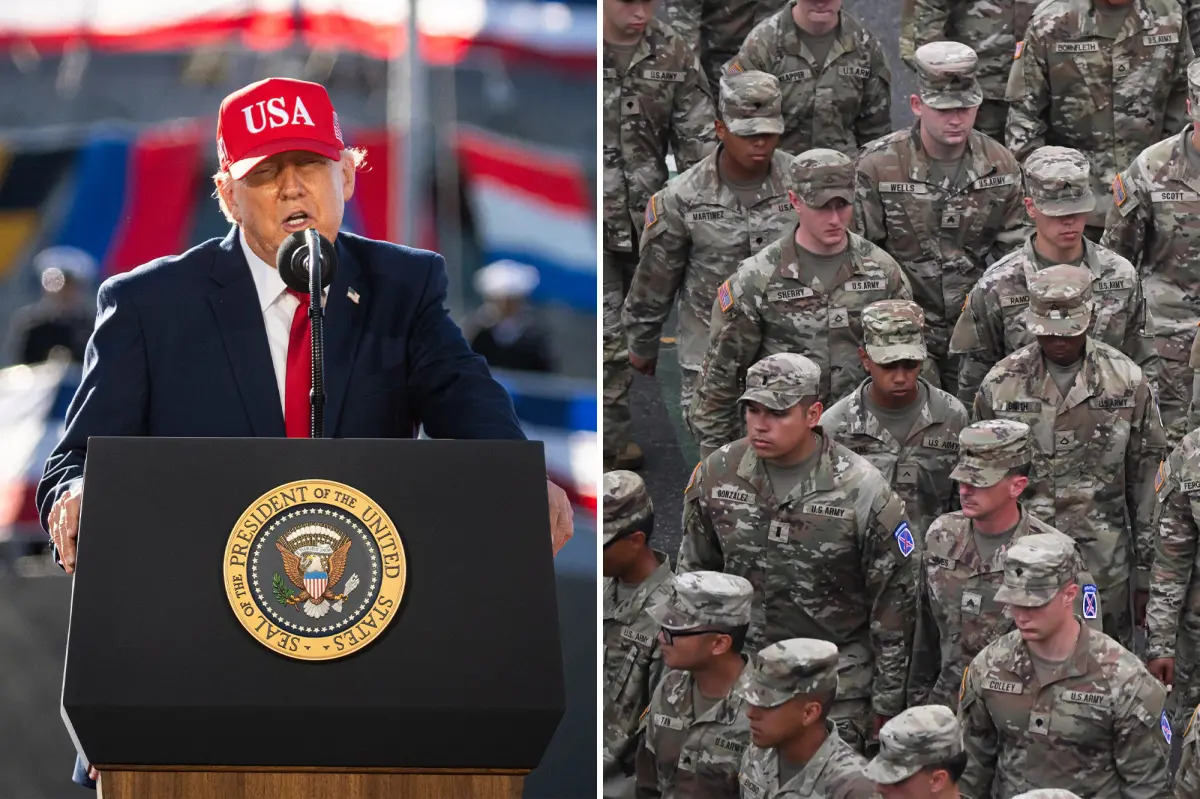
- Your nudge: name what pulled harder, the word crisis, the admiral’s rank or the marching soldiers, and which belief about men or this government it pressed. The reader who fears the frame and the one who laughs at it are both being moved.
Sources New York PostFox NewsPBS News (Associated Press)The Hill2ABC NewsReuters (via U.S. News & World Report)WCIA (The Hill)