
A GB News headline turns bills to mothers into losses
GB News
NHS loses over £15.6million every year as overseas mothers leave maternity bills unpaidRead it where it was published
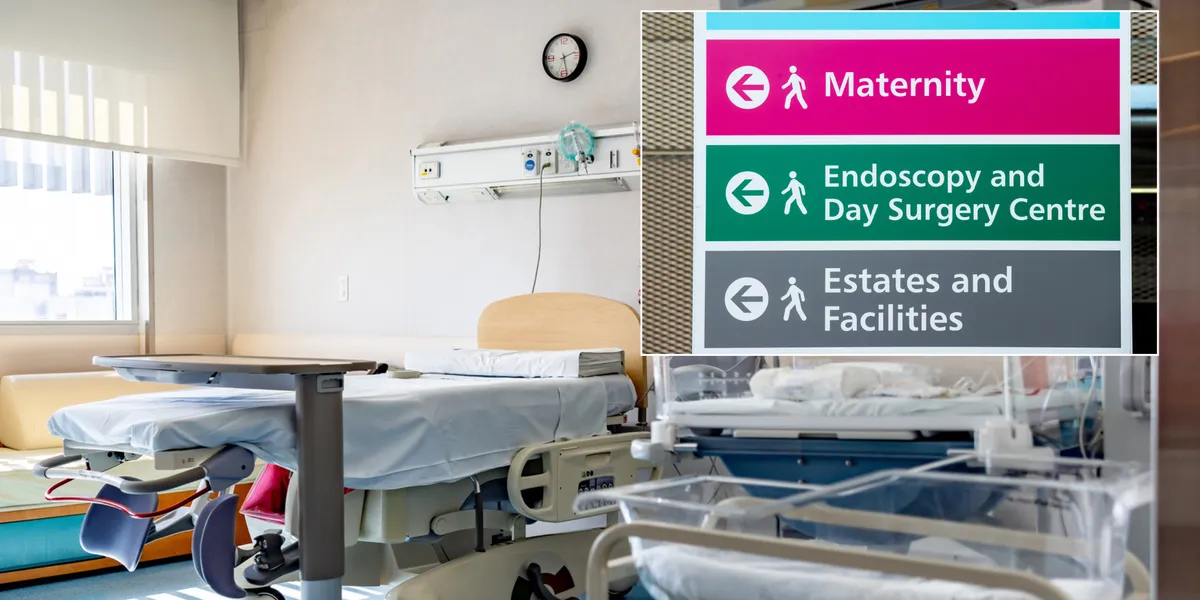
An empty birthing bed and the word “loses” make you feel your health service bleeding money to strangers. The big number sets the scale, and the women billed after giving birth become the reason it hurts.
On October 20, GB News published FOI answers from 85 of 119 NHS trusts on overseas visitors’ maternity bills. Its headline says the NHS “loses” £15.6 million a year; the text counts over £8 million written off in three years.
What they said
On October 20, 2026, GB News reported FOI figures from 85 of 119 NHS trusts: about £47 million to £48.8 million billed to overseas visitors for maternity care over three years, £7.4 million paid, more than £8 million written off.
GB NewsAn NHS spokesperson (as quoted by GB News)Oct 20, 2026
“The NHS is legally required to provide care to those needing urgent treatment.”
Read it where it was publishedMaternity ActionDepartment of Health and Social Care guidance to NHS trusts, as quoted by Maternity Action
“no charges should be made and no debt collection should take place until after delivery”
Read it where it was publishedMaternity ActionMaternity Action
“Your maternity care must never be refused or delayed if you cannot pay for treatment in advance.”
Read it where it was publishedCritical Social PolicyRayah Feldman, describing undocumented migrant womenJan 1, 2021
“among the most excluded and vulnerable people living in the UK today”
Read it where it was published
“loses” A loss is money gone. The story’s own figures are bills sent; what trusts have written off is “more than £8million” over three years.
“over £15.6million every year” No base, no count of women, no share of maternity spending. “Every year” turns three years of bills from 85 trusts into a yearly drain.
“overseas mothers leave maternity bills unpaid” The women billed after giving birth become the cause of the harm. “Leave” makes a debt sound like walking out on a tab.
“legally required” The NHS’s own words say care comes first. That is why the bills exist after the birth, and it sits below the headline.
“until after delivery” The rule sets the order: birth, then bill. A charge that can only arrive afterward is not a mother dodging a price she was quoted at the door.
The analysis
The headline’s subject is the NHS and its verb is “loses”. The page says something else. Its eighth paragraph puts maternity bills to overseas visitors at £48.8 million over three years, from 85 of 119 trusts; £15.6 million is roughly a yearly share of bills sent. Of £47.1 million billed, the story says £7.4 million is paid, £30.4 million still owed and “more than £8million” written off. The loss the trusts themselves count is about £8 million across three years.
The big figure comes first and sets the scale, so the smaller one, if a reader gets that far, feels like a detail: the first number anchors the rest. The figure also stands naked, with nothing to measure it against: no count beyond “thousands of foreign women”, no share of NHS maternity spending, no comparison. The second paragraph’s “barely £1 for every six spent” measures bills, not spending. A plain sentence would say trusts billed about £47 million in three years and wrote off about £8 million.
The tell is who does the act. In the headline, mothers “leave” bills. The rules run the other way: care must never be refused or delayed, and no charge or collection comes until after delivery, which the story’s fourth paragraph says and its headline does not. The women are charged 150% of cost, from about £7,500, and NHS debt of £500 or more can count against a future visa application. The person who was billed is written as the person who caused the loss.
The money. Maternity Action told Parliament that one in three NHS trusts spent more on staff to run overseas charging than they recovered in payments. That bill for the system is not in the headline.
The history. The Immigration Act 2014 set the charging rules. In 2016, FOI answers from 104 trusts showed £29,530,378 unpaid by overseas patients in 2015/16, with maternity among the main services.
From the book
The Gravity Anchor
£15.6 million a year arrives first and sets the yardstick, so the £8 million written off over three years, lower on the page, reads as a footnote to a bigger loss.
Chapter 9, The Cognitive Cascades
The Narrative Frame
The same FOI figures, framed as a drain caused by mothers, become a story of theft; framed as care the law requires before any bill, they become a story about a charging rule.
Chapter 9, The Cognitive Cascades
Your move
- The Master Question: the headline is built to make you feel robbed, your health service drained by strangers. A figure with no base hands you that anger before any count arrives. Why does anyone need your anger? Feel it on purpose, or not at all.
- Does it touch you? If you pay for or work in the NHS, the figure to hold is about £8 million written off in three years. If nothing you do this week changes, it is weather: watch it pass without bleeding or feeding.
- Your nudge: name which word pulled at you, “loses”, the number or “mothers”, and which belief it pressed on. A reader who resents migrants and one who defends them both feel this hard. Question the side you are on too.
Sources GB NewsMaternity Action23PubMed CentralCritical Social PolicyThe Week