
A Daily Mail headline banishes lipoedema; its story can’t
Daily Mail
The little-known supplement made from citrus fruit that could help to banish lipoedemaRead it where it was published
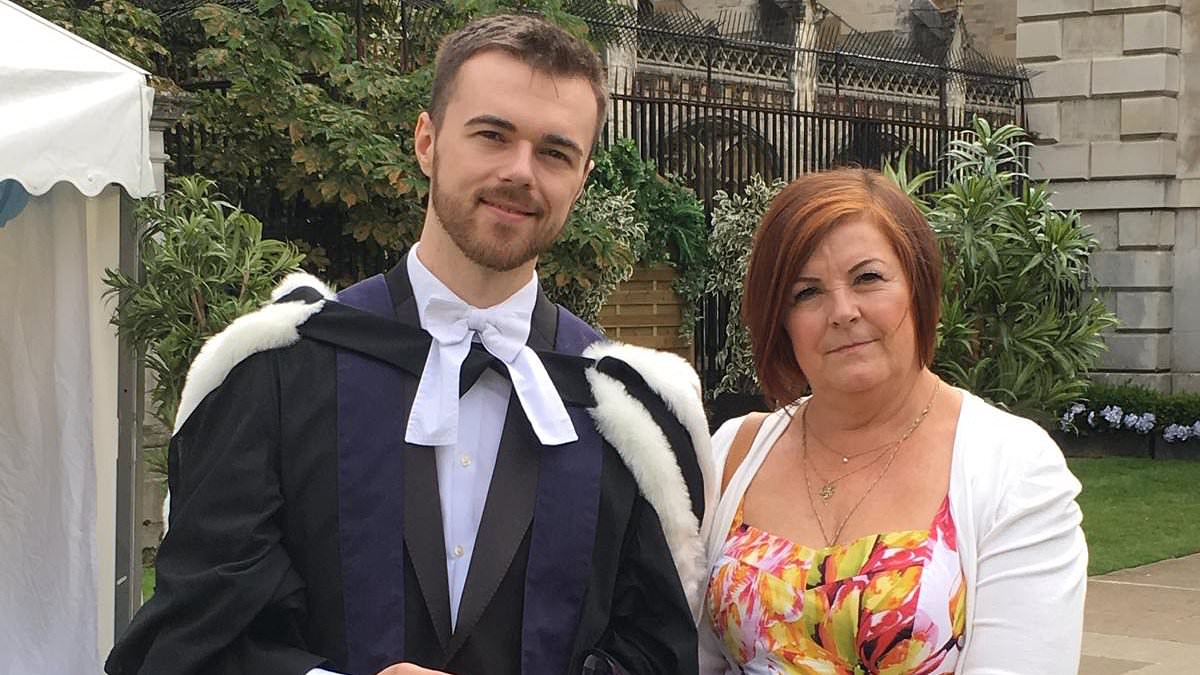
One verb, banish, and a proud family photo make a condition with no cure look finished. You feel hope before you reach the surgeon who says no, and whoever sells the capsule gains from that order.
On October 9, the Daily Mail said a citrus supplement ‘could help to banish lipoedema’, a condition of abnormal fat and swollen legs. Its story calls it incurable and quotes a surgeon saying the compounds do not treat it.
What they said
Daily MailVasu Karri, consultant plastic surgeonOct 9, 2026
“There is no clinical evidence that diosmin and hesperidin treat lipoedema, and they will not reduce lipoedema fat.”
Read it where it was publishedDaily MailDr Frank Agullo, US plastic surgeonOct 9, 2026
“A supplement like this may ease some of the swelling and heaviness for some patients, but there is no good evidence that it shrinks the abnormal fat itself, which is the heart of the condition.”
Read it where it was publishedDaily MailVivien Lees-Hamilton, 66, West YorkshireOct 9, 2026
“The biggest thing I noticed was that my legs felt lighter”
Read it where it was publishedPhlebologyHerbst et al., 'Standard of care for lipedema in the United States' (Phlebology, 2021)Jan 1, 2021
“Diosmin can be considered for treatment of lipedema tissue.”
Read it where it was publishedClinicalTrials.govPrimus Pharmaceuticals, Inc., protocol PLP-01 (NCT05616962)Mar 19, 2019
“It is estimated that 30 subjects will be sufficient to obtain a meaningful efficacy signal.”
Read it where it was published
“little-known” Hidden-treasure framing. If few people know, you are early, and the doctors who never mentioned it start to look like they missed something.
“could help to” Three hedging words that make the sentence true whatever happens, including nothing. They carry the caution so the verb after them can promise anything.
“banish” A verb of total removal for a condition the story’s twelfth paragraph says has no cure. A reader with heavy, painful legs hears an ending.
“no clinical evidence” The answer to the headline, printed near the end of the same page, after the reader has carried the promise all the way down.
“no good evidence that it shrinks the abnormal fat itself” The most hopeful expert in the story splits relief from cure: maybe less heaviness for some, no change to the fat that defines the condition.
“felt lighter” The only patient evidence is a feeling, from one woman taking several supplements at once. The story reports no measurement of her legs.
The analysis
Banish is a verb of removal: the thing is gone and stays gone. The Daily Mail’s own twelfth paragraph calls lipoedema “a condition that has no cure”, and near the end consultant plastic surgeon Vasu Karri says the compounds “will not reduce lipoedema fat.” The headline promises what the page takes back. A reader who stops at the headline leaves with the promise. A reader who reaches the end leaves with a surgeon saying no.
Behind the promise stands one woman, 66, who took the citrus compounds “alongside several other supplements” and says her legs felt lighter within a fortnight. The story reports no measurement of fat or swelling and cites no trial. It leans on a 2021 US guideline whose diosmin line came from 21 experts reaching consensus, graded C, its lowest evidence grade. The one registered lipedema study of a diosmin product, which the Mail does not cite, is sponsored by its maker, Primus Pharmaceuticals: an estimated 30 women, all knowing what they take.
The tell is the hedge in front of the big verb: when “could help to” stands before a cure word, the cure word is the sale. The story names no brand, only a price, “around £20 for a two-month supply”, and does not say who sells it. NHS care is compression garments, exercise, weight management and pain relief, with liposuction not routinely available. Beside that slow list, a capsule is the easiest hope on the page.
The money. Around £20 every two months is £120 a year, every year, for a condition the page says has no cure. The one registered trial of a diosmin product for lipedema is sponsored by its maker.
The words. Read the experts’ verbs against the headline’s: “may ease”, “will not reduce”, “can be considered”. None of them removes anything. Only the headline’s verb does.
From the book
The Vividness Virus
One woman’s lighter legs, in her own words beside a family photo, carry the headline. The surgeons’ “no evidence” arrives later as a flat sentence, and a missing trial is hard to picture.
Chapter 9, The Cognitive Cascades
Pillar Three: The Golden Key (Sold Separately)
The answer is simple to grasp, a capsule made from fruit, and it is priced per two months for a condition the page says never ends. The repeat payment is built into the promise.
Chapter 16, The Gods & Monsters
Your move
- The Master Question: you are being made to feel hope, the kind that makes a painful condition look one capsule from gone. Why now: hope sells before doubt arrives. Real facts are boring: maybe less heaviness, for some, is the true sentence.
- Does it touch you? If you or someone close lives with heavy, painful legs, it asks for a plan, not a feeling: what would you need to see before paying? If not, it is weather. Let it pass without bleeding.
- Your nudge: name which pulled harder, “banish” or the surgeon’s “no”. The answer depends on what you already believe about doctors and supplements: someone who distrusts medicine hears a secret, someone who trusts it hears a scam. Question the side you are on.