
This is Money sells an £82,000 house fall with no base
This is Money
Economist who predicted last two housing crashes warns the market is already in freefall. Your home's value could plummet by £82,000 - here's what to do to protect yourselfRead it where it was published
A track record proves the forecast and a figure with no base becomes your own loss: you feel the floor move under your house. The fear arrives with a cure attached, and the click goes to whoever sells it.
On November 2 This is Money headlined an unnamed economist, credited with predicting the last two housing crashes, warning the UK market is “already in freefall”. The same day the Guardian led on remortgaging costs before an expected rate rise.
What they said
On November 2, 2026, UK money pages headlined a possible fall in house prices and rising remortgage costs, as the Bank of England was expected to raise its key rate.
The Guardian MoneyNov 2, 2026
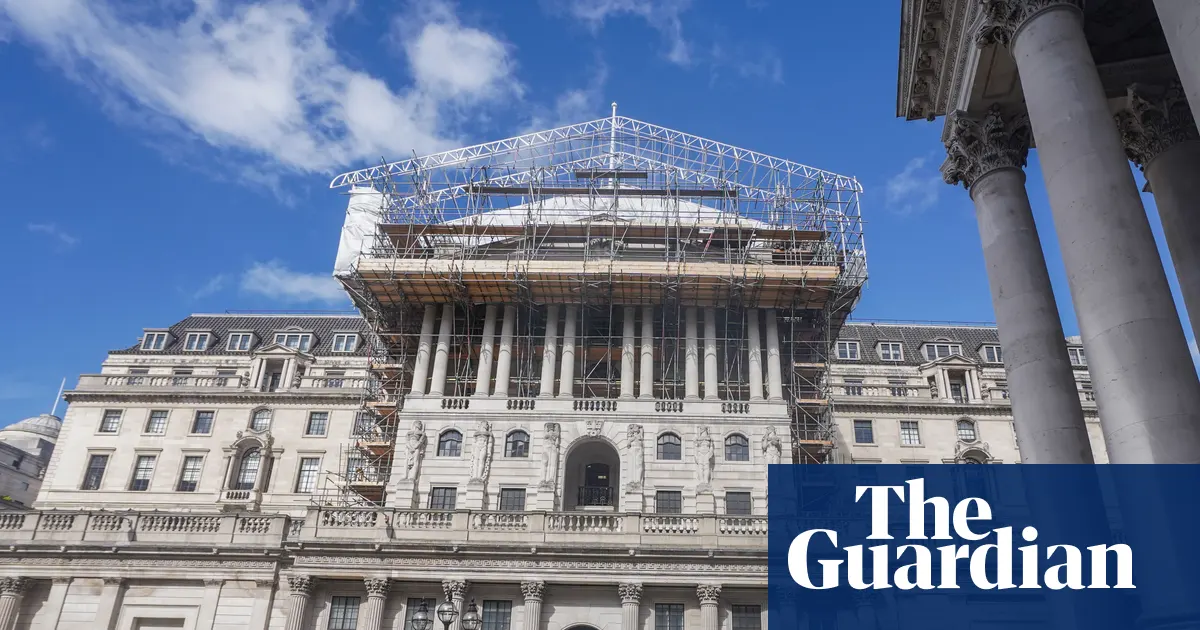
Millions in UK brace to remortgage on worse deals as rate rise looms
Read it where it was publishedWSJNov 2, 2026
BOE Expected to Join Peers in Raising Key Rate
Read it where it was publishedWikipediaFred HarrisonJan 1, 2005
“The next property market tipping point is due at end of 2007 or early 2008”
Read it where it was published
“predicted last two housing crashes” The credential does the proving. The headline names no economist, so you are asked to trust a record rather than a figure: a title standing in for evidence.
“already in freefall” A hard word in the present tense. Freefall means nothing is holding; the headline gives no index figure, no month and no fall so far to show it.
“£82,000” A naked number: no base price, no percentage, no period, no source. Beside “could” it is a maybe, and “Your home’s” turns it into a loss you own.
“looms” The Guardian’s softer fear word. It comes with a cause, a rate rise, and a group, remortgagers, so a reader can set it against their own deal date.
“end of 2007 or early 2008” A forecast with a date on it. That is the kind of record a credential like the headline’s rests on; the £82,000 carries no date at all.
The analysis
The headline runs on two tenses. The market is “already in freefall”, stated as done; a home “could plummet by £82,000”, a maybe. The sure words carry the fear and the hedge carries the number. The £82,000 is a naked number: no base price, no percentage, no period and no source in the line, so it lands as a loss to “Your home’s value” rather than an estimate across a country. A plain sentence would have had to say whose forecast, over how long, from what price.
The proof is a title. “Economist who predicted last two housing crashes” asks you to trust the forecast because of a record, and the record argues where a figure should: a credential standing in for evidence. The headline names no one. A well-known British claim of this kind is Fred Harrison’s 2005 call of a tipping point at the “end of 2007 or early 2008”. A property-investment site wrote that Harrison pointed to 2026 as a possible turn, but that the usual pre-crash conditions were absent in mid-2026.
Beside it, the Guardian’s morning line on the same pressure: “Millions in UK brace to remortgage on worse deals as rate rise looms”. A cost, a cause and a crowd you can place yourself in. This is Money’s line ends with a fix, “here’s what to do to protect yourself”. That is the tell: a fear with no number to check and an exit in the same sentence. A fright that brings its own exit moves many readers through one door at once; the headline does not say what waits behind it.
The history. On July 6, 2016, the Scottish Daily Mail turned a Bank of England model’s 15% to 20% fall into over £40,000 off a £205,000 average. Governor Mark Carney said it was not a prediction.
The irony. The headline’s credential is two crashes called on time. Its own number comes with no date, and a forecast with no date is never late.
From the book
The Authority Override
Chapter 9, The Cognitive Cascades: the Authority Override. An unnamed economist’s track record stands where the base price, period and source of the £82,000 should be, and the title switches off the question of where the number came from.
Chapter 9, The Cognitive Cascades
The Panic Button: Fear into Compliance
Chapter 25, Emotional Plays: the Panic Button. The line frightens you about your own home in the present tense, then hands you one exit in the same sentence: “here’s what to do to protect yourself”.
Chapter 25, Emotional Plays
Your move
- The Master Question: you are being made to feel fear for your home, in the week a rate rise is expected. What does my fear enable? Here, a click, and whatever “what to do” asks of you next.
- Does it touch you? If you own a home or remortgage soon, the question is your deal and its end date: a plan, not a feeling. If not, it is weather. Watch it pass without bleeding or feeding.
- Your nudge: name which pulled harder, “freefall” or “Your home’s”, and what you already believed about prices. An owner and a renter feel this line in opposite directions; question the side you are on.
Sources This is MoneyThe Guardian MoneyWSJWikipediaProperty Investments UKbuecher.deScottish Daily Mail (PressReader)